

Best dental hygiene practices for children
Good dental hygiene practices are crucial for children, not only for maintaining healthy teeth and gums but also for establishing habits that last a lifetime. Here are some of the best dental hygiene practices for children:
Start Early
- Begin cleaning your baby’s mouth even before the first tooth appears by wiping the gums with a clean, moist cloth or a soft infant gum brush after feedings and before bedtime.
- Start brushing with a tiny smear of fluoride toothpaste (the size of a grain of rice) as soon as the first tooth erupts, usually around 6 months.
Use the Right Amount of Fluoride Toothpaste
- For children under 3 years, use a smear of toothpaste (rice-sized).
- For children aged 3-6 years, use a pea-sized amount of fluoride toothpaste.
- Ensure they spit out the toothpaste and do not swallow it after brushing.
Supervise Brushing
- Supervise children’s brushing until they are around 7-8 years old to make sure they use the correct amount of toothpaste and follow proper brushing techniques.
- Teach them to brush all surfaces of the teeth, the gums, and the tongue.
Brush Twice a Day
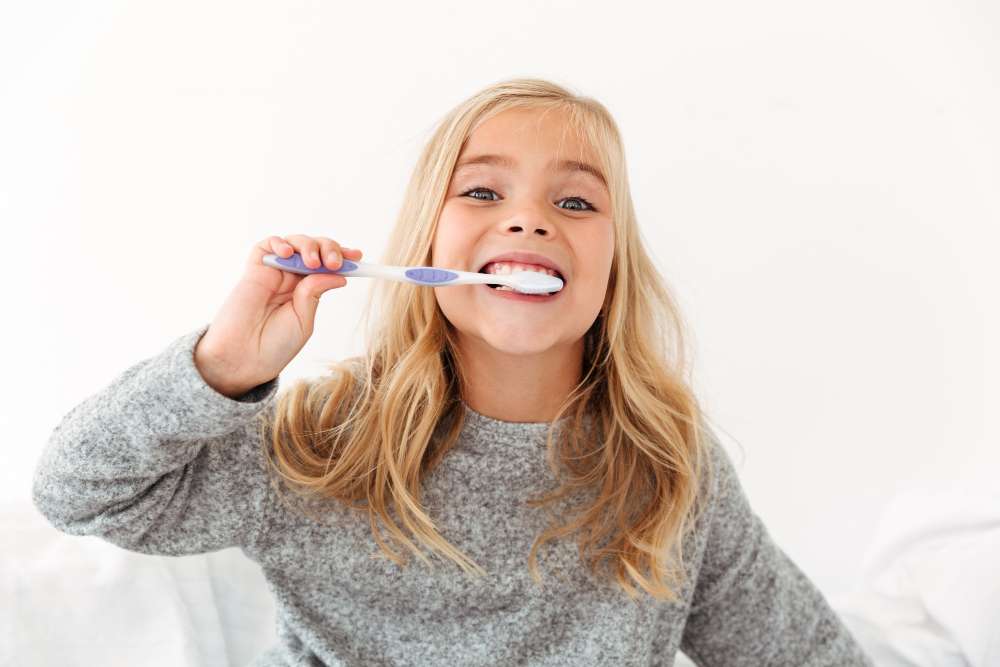
- Encourage brushing twice a day: in the morning after breakfast and at night before bed.
- Each brushing session should last for about two minutes.
Floss Daily
- Introduce flossing once a day when the child’s teeth start to touch each other, usually around 2-6 years of age.
Healthy Eating Habits
- Limit sugary snacks and drinks, which contribute to tooth decay.
- Encourage a balanced diet rich in fruits, vegetables, and water to help maintain good oral health.
Regular Dental Checkups
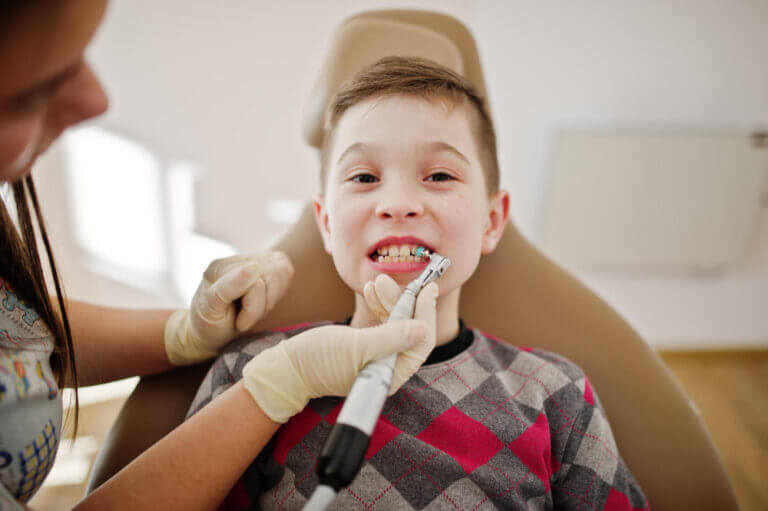
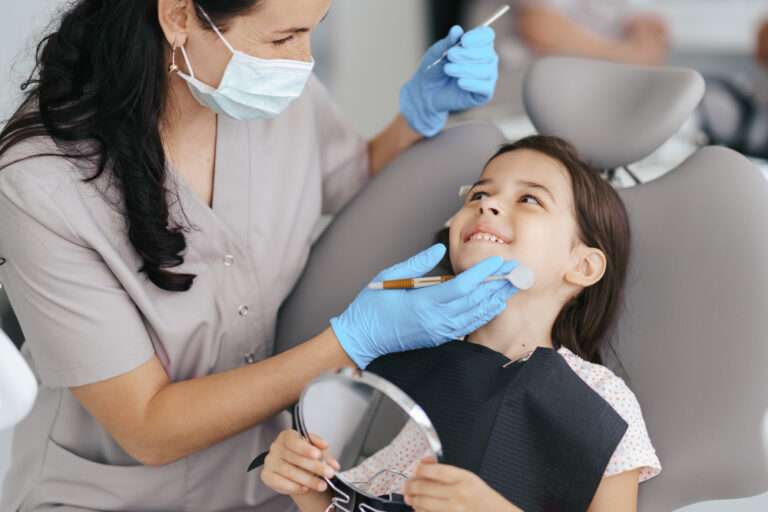
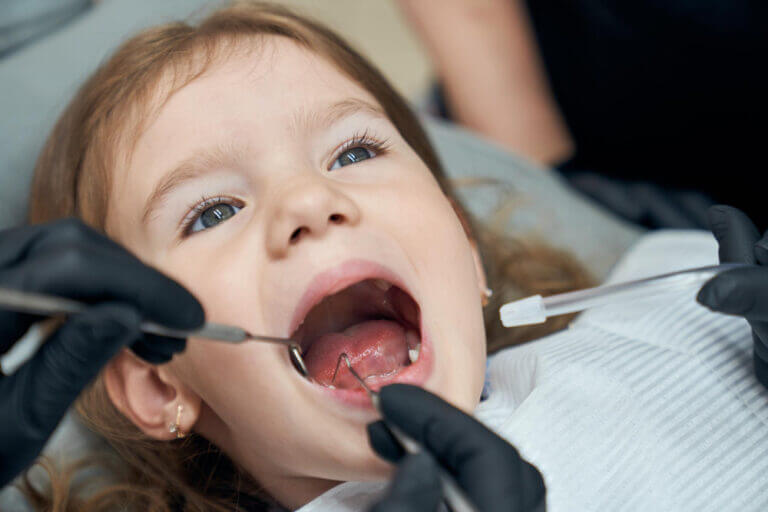
- Schedule the first dental visit by the child’s first birthday or after the first tooth appears.
- Continue with regular dental checkups every six months or as recommended by the dentist.
Use Dental Sealants
- Ask your dentist about sealants, which are protective coatings applied to the chewing surfaces of the back teeth (molars) to prevent decay.
Protective Gear for Sports
- Ensure your child wears a mouthguard during sports or activities that could cause injury to the mouth.
Educate on the Importance of Oral Health
- Teach children why taking care of their teeth is important, using age-appropriate explanations.
- Use books, apps, or videos designed to make dental care fun and interesting for children.
Conclusion
Implementing these dental hygiene practices can help children avoid dental problems like cavities and gum disease, promoting a healthy smile well into adulthood. It’s also important for parents and caregivers to model good dental hygiene habits, as children often emulate the behaviors they observe.