
Guillain-Barré Syndrome
Guillain-Barré Syndrome (GBS) is a rare but serious autoimmune disorder in which the body’s immune system mistakenly attacks the peripheral nervous system—the network of nerves located outside the brain and spinal cord. Named after the French physicians Georges Guillain and Jean Alexandre Barré, who first described the syndrome in 1916, GBS can lead to muscle…
Neurocysticercosis in children
Neurocysticercosis is a serious parasitic infection of the central nervous system, specifically the brain and spinal cord, caused by the larval stage of the pork tapeworm, Taenia solium. This disease is the most common parasitic infection of the human nervous system and a leading cause of acquired epilepsy worldwide. Children can be particularly affected in…
Encephalitis in children
Encephalitis is an inflammation of the brain tissue, which is a serious condition that can occur in children and adults. It’s often caused by a viral infection, but it can also result from bacterial infections and non-infectious causes like autoimmune diseases. Encephalitis in children can be particularly alarming due to the severity of symptoms and…
Meningitis in Children
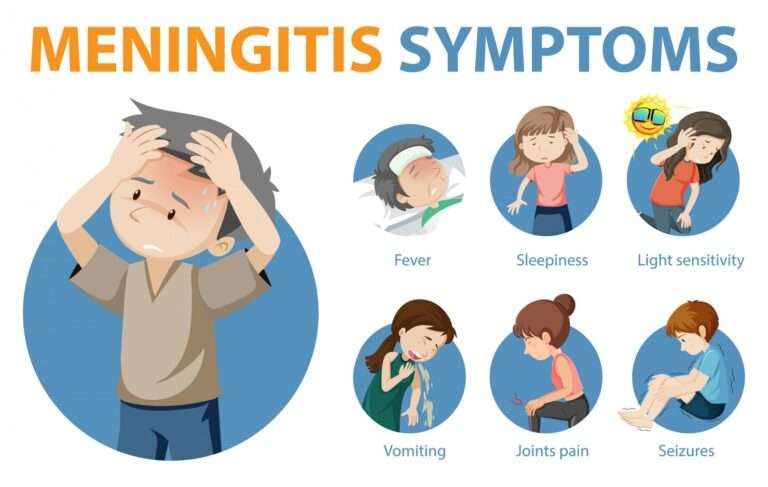
Meningitis is a serious and potentially life-threatening inflammation of the membranes (meninges) that surround the brain and spinal cord. It can be caused by bacterial, viral, or fungal infections, and occasionally by other factors such as injuries, cancer, or certain drugs. In children, meningitis is a particularly concerning condition because of how quickly it can…
Rise in pediatric intracranial infections
Pediatric intracranial infections, encompassing conditions like brain abscesses, epidural empyemas, and subdural empyemas, present significant clinical challenges in pediatric healthcare. The rise in these infections, particularly those associated with Streptococcus species, has prompted a heightened focus on understanding the causes, symptoms, and effective treatments for these serious conditions. Causes and Epidemiology The causes of pediatric…
Metabolic Myopathies
Metabolic Myopathies in children are a group of disorders that affect the muscles’ ability to generate energy, leading to muscle weakness and other symptoms. These conditions are caused by defects in the metabolism of nutrients in muscle cells. Key points about metabolic myopathies in pediatric cases include: Management of metabolic myopathies in children requires a…
Congenital Myopathies
Congenital Myopathies in children are a group of rare muscle disorders present at birth (congenital) that affect skeletal muscles. These disorders are primarily characterized by muscle weakness and can vary greatly in their presentation and severity. Here are key aspects of congenital myopathies in pediatric cases: Management of congenital myopathies in children is a comprehensive…
Charcot-Marie-Tooth disease (CMT)
Charcot-Marie-Tooth disease (CMT) in children is a group of inherited disorders that affect the peripheral nerves, which control the muscles and provide sensory information from the limbs to the brain. Here are some key points about CMT in pediatric cases: Managing CMT in children requires a multidisciplinary approach that addresses both the physical aspects of…
Myasthenia Gravis (MG)
Myasthenia Gravis (MG) in children is a rare autoimmune disorder characterized by weakness and rapid fatigue of the voluntary muscles. It occurs when the immune system mistakenly attacks the connections between nerves and muscles. Here are some key points about MG in pediatric cases: Management of pediatric MG requires a comprehensive, multidisciplinary approach and ongoing…