


Sinusitis in children
Sinusitis in children, also known as pediatric sinusitis, is a condition characterized by inflammation or infection of the sinuses. The sinuses are air-filled cavities located in the facial bones around the nose. Sinusitis can be acute (short-term) or chronic (long-lasting) and can result from viral, bacterial, or allergic causes. Here’s what you need to know about sinusitis in children:
Causes:
- Viral Sinusitis: Most cases of sinusitis in children are caused by viral infections, typically as a complication of the common cold or other respiratory viruses.
- Bacterial Sinusitis: Bacterial sinusitis may develop as a secondary infection following a viral illness. Streptococcus pneumoniae and Haemophilus influenzae are common bacterial culprits.
- Allergic Sinusitis: Some children may develop sinusitis due to allergic reactions, especially when exposed to allergens like pollen, dust mites, or pet dander.
Symptoms:
The symptoms of sinusitis in children can vary depending on the type (acute or chronic) and cause of the condition. Common symptoms include:
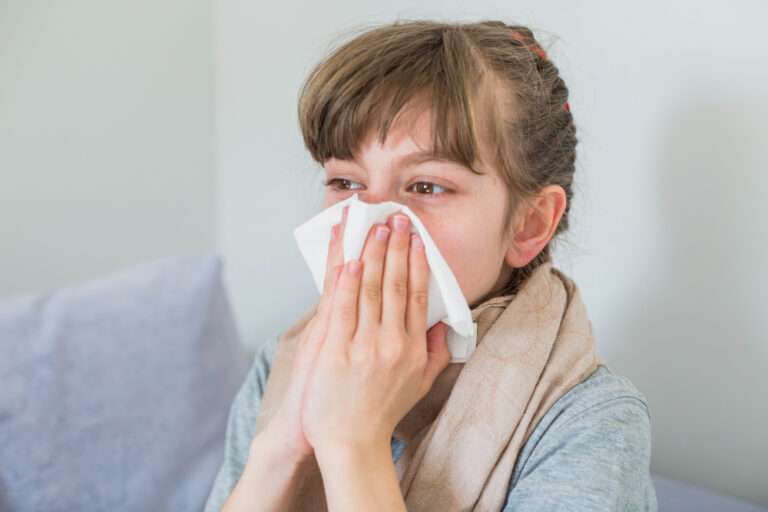
- Nasal congestion and discharge (runny or stuffy nose).
- Facial pain or pressure, particularly around the eyes and cheeks.
- Coughing, which may worsen at night.
- Fever.
- Bad breath (halitosis).
- Headache.
- Irritability.
- Fatigue.
Diagnosis:
- Diagnosis is typically based on a medical history and physical examination by a healthcare provider.
- In some cases, additional tests such as a nasal endoscopy, imaging studies (e.g., X-rays or CT scans), or cultures may be recommended to confirm the diagnosis or assess the severity of sinusitis.
Treatment:
- Acute Viral Sinusitis: Viral sinusitis often resolves on its own without the need for antibiotics. Treatment primarily focuses on symptom relief, including rest, hydration, humidification, and over-the-counter pain relievers or decongestants (used cautiously and per healthcare provider’s recommendations).
- Bacterial Sinusitis: Bacterial sinusitis may require antibiotic treatment. The choice of antibiotics depends on the child’s age, the severity of symptoms, and the specific bacteria identified. It’s essential to complete the full course of antibiotics as prescribed.
- Allergic Sinusitis: Allergic sinusitis is managed by identifying and addressing allergens that trigger the symptoms. This may involve allergy testing, avoidance strategies, and, in some cases, allergy medications like antihistamines or nasal corticosteroids.
Complications:
- Most cases of sinusitis in children resolve without complications, especially when appropriately treated.
- However, untreated or severe cases can lead to complications such as sinus abscesses, orbital cellulitis, or the spread of infection to adjacent structures.
Parents and caregivers should consult a healthcare provider if they suspect their child has sinusitis, especially if symptoms are severe, persistent, or worsening. Timely diagnosis and appropriate treatment can help alleviate discomfort and prevent complications. Additionally, if a child has chronic or recurrent sinusitis, further evaluation and management by a pediatrician or an ear, nose, and throat specialist may be necessary.