

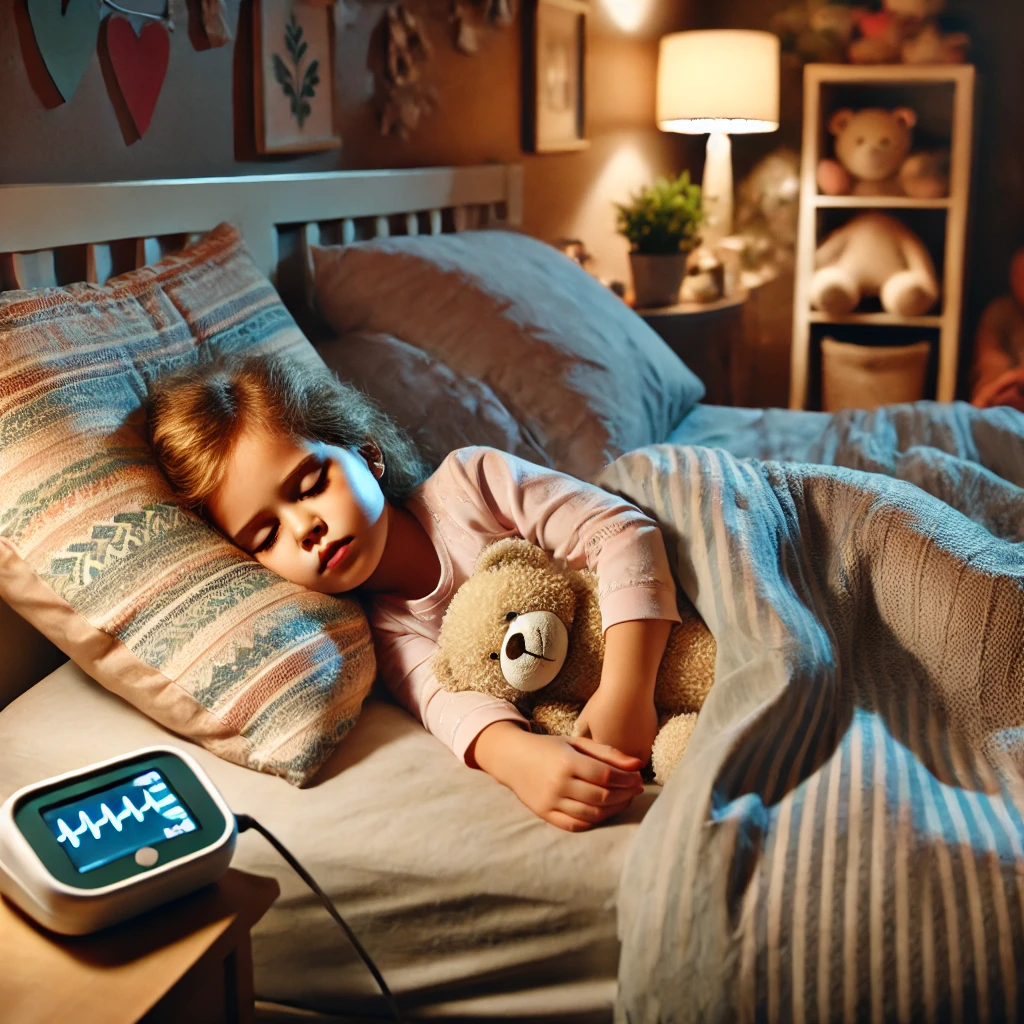
Sleep apnea in children
Sleep apnea in children is a sleep disorder characterized by interruptions in breathing during sleep. These interruptions, known as apneas, can be caused by various factors and may lead to disrupted sleep patterns and other health issues. There are two main types of sleep apnea in children: obstructive sleep apnea (OSA) and central sleep apnea. Here’s an overview of sleep apnea in children:
1. Obstructive Sleep Apnea (OSA):
- Causes: OSA is the most common type of sleep apnea in children. It occurs when there is a physical blockage or obstruction in the airway during sleep. Common causes include enlarged tonsils or adenoids, obesity, or craniofacial abnormalities.
- Symptoms: Children with OSA may exhibit various signs and symptoms, including:
- Loud snoring.
- Pauses in breathing during sleep, often observed by a caregiver.
- Restless sleep or frequent awakenings.
- Mouth breathing.
- Excessive daytime sleepiness or irritability.
- Difficulty concentrating or behavioral issues.
- Bedwetting.
- Growth delays.
- Complications: Untreated OSA in children can lead to several complications, including poor growth, learning difficulties, behavior problems, and cardiovascular issues.
2. Central Sleep Apnea:
- Causes: Central sleep apnea in children is less common than OSA and occurs when the brain fails to signal the muscles to breathe during sleep. It can be related to certain medical conditions, such as congenital heart disease or neurological disorders.
- Symptoms: The symptoms of central sleep apnea may include:
- Pauses in breathing during sleep.
- Difficulty falling asleep.
- Poor sleep quality.
- Excessive daytime sleepiness.
- Failure to thrive (in severe cases).
- Complications: Central sleep apnea can lead to growth and developmental issues if not appropriately managed.
Diagnosis:
- Diagnosis of sleep apnea in children typically involves a combination of a clinical evaluation, a sleep study (polysomnography), and assessment of the child’s medical history and symptoms.
Treatment:
- Treatment for sleep apnea in children varies based on the type and severity of the condition:
- Obstructive Sleep Apnea: Treatment options may include:
- Removal of tonsils and adenoids (if they are the cause).
- Weight management.
- Continuous positive airway pressure (CPAP) therapy (in severe cases).
- Central Sleep Apnea: Treatment is focused on addressing the underlying medical condition and may involve medications or specialized devices to assist with breathing.
- Obstructive Sleep Apnea: Treatment options may include:
Prognosis:
- With appropriate treatment and management, many children with sleep apnea can experience significant improvements in their sleep quality, behavior, and overall well-being.
- Regular follow-up with healthcare providers is essential to monitor progress and adjust treatment as needed.
Parents and caregivers should seek medical attention if they suspect their child has sleep apnea, especially if the child displays symptoms such as loud snoring, pauses in breathing during sleep, or excessive daytime sleepiness. Early diagnosis and intervention can help address the condition and improve the child’s quality of life.