

Social and Emotional Delay
Social and Emotional Delay in children refers to a developmental lag where a child does not meet typical milestones in understanding and expressing emotions, as well as in interacting with others. Here are some key points about social and emotional delay in children:
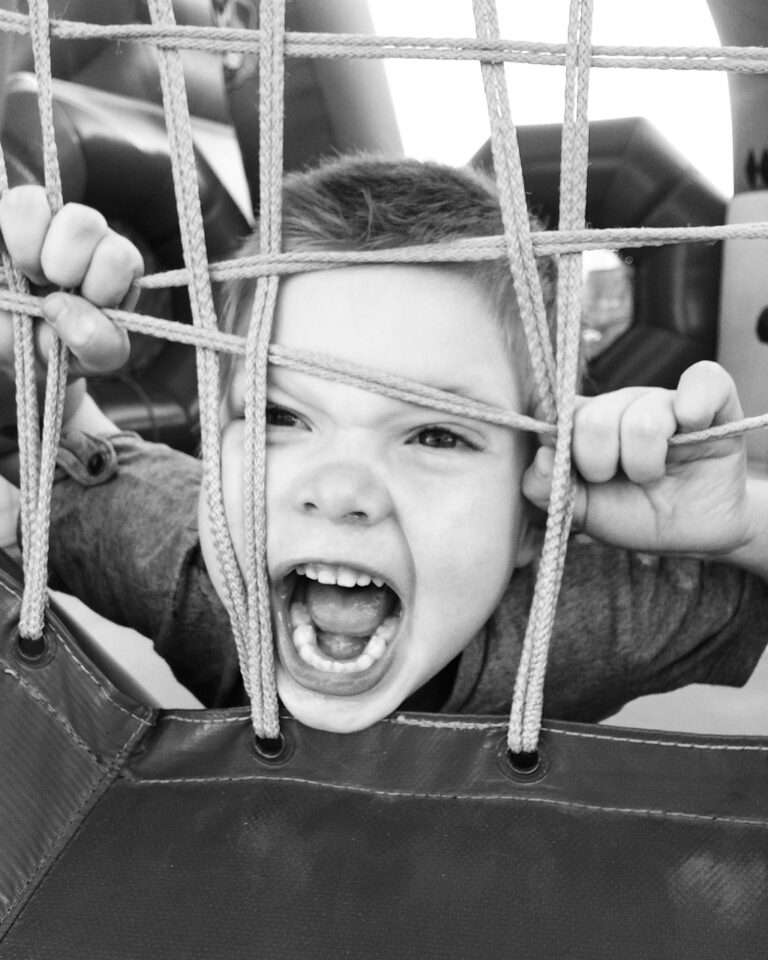
- Symptoms and Signs: Children with social and emotional delays may have difficulty forming friendships, struggle with understanding or expressing their own emotions, have trouble reading social cues, and may exhibit inappropriate responses in social situations. They might also display behaviors such as excessive shyness, aggression, or tantrums beyond the age-appropriate period.
- Causes: Various factors can contribute to social and emotional delays, including genetic conditions, environmental factors (such as lack of social interaction or exposure to stressful environments), developmental disorders like Autism Spectrum Disorder, and mental health issues like anxiety or depression.
- Diagnosis: Diagnosis involves assessments by pediatricians, psychologists, or child development specialists. These evaluations may include observations of the child’s behavior, parent interviews, and standardized developmental screening tools.
- Importance of Early Intervention: Early intervention is crucial for helping children develop necessary social and emotional skills. Interventions can be more effective when started at a young age.
- Treatment and Management: Management strategies include behavioral therapy, social skills training, and, in some cases, counseling or psychotherapy. Parent training and family therapy can also be beneficial.
- Parental and Caregiver Involvement: Parents and caregivers play a vital role in supporting the child’s social and emotional development. This can involve engaging in social activities, modeling appropriate emotional responses, and providing a supportive and nurturing environment.
- Impact on Daily Life and Learning: Social and emotional delays can affect a child’s ability to form relationships, perform in school, and adapt to new environments. Addressing these delays can significantly improve a child’s overall quality of life and future success.
- Associated Developmental Delays: These delays can co-occur with other developmental delays, such as speech and language delays, cognitive delays, or motor skill delays.
- Prognosis: The outcome for children with social and emotional delays varies depending on the underlying cause, severity of the delay, and effectiveness of interventions. Many children show improvement with appropriate support and interventions.
- Monitoring and Follow-Up: Regular monitoring and follow-up with healthcare and educational professionals are important to assess progress and adapt strategies as needed.
- Educational and Community Support: Inclusive education practices, along with support from community programs and peer groups, can be beneficial for children with social and emotional delays.
Early identification and intervention, combined with a supportive home and educational environment, are key to helping children with social and emotional delays develop the skills they need for successful interactions and emotional well-being.