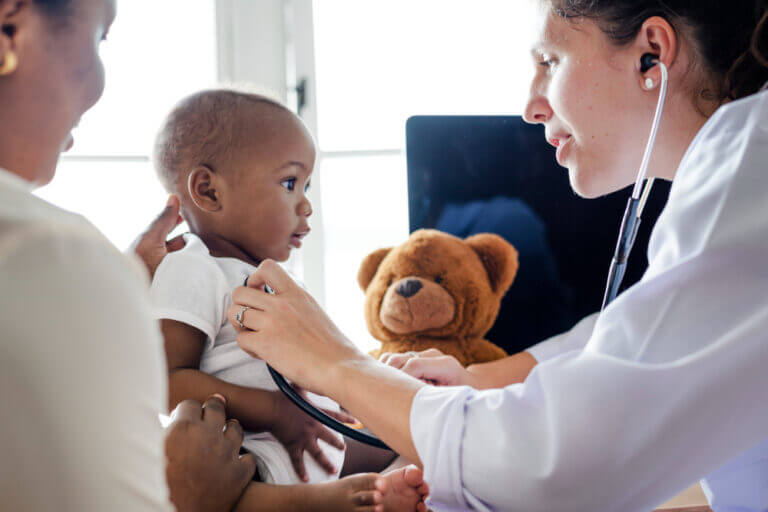



Wilms tumor in children
Wilms tumor, also known as nephroblastoma, is a relatively rare but treatable kidney cancer that primarily affects children. It is the most common type of kidney cancer in children, typically diagnosed in children between the ages of 3 and 4. Here are some key points about Wilms tumor in children:
Causes and Risk Factors:
- The exact cause of Wilms tumor is not well understood, and it often occurs sporadically without a clear genetic predisposition.
- Some genetic syndromes, such as WAGR syndrome (Wilms tumor, aniridia, genitourinary abnormalities, and mental retardation), Beckwith-Wiedemann syndrome, and Denys-Drash syndrome, are associated with an increased risk of Wilms tumor.
Symptoms:
- Children with Wilms tumor may experience various symptoms, including:
- Abdominal swelling or a noticeable lump (mass) in the abdomen, which is often painless
- Abdominal pain or discomfort
- High blood pressure (hypertension)
- Blood in the urine (hematuria)
- Fever
- Loss of appetite and weight loss
Diagnosis:
- Diagnosis typically involves imaging studies, such as ultrasound, CT scans, or MRI, to visualize the tumor and determine its size and location.
- A biopsy may be performed to confirm the diagnosis and evaluate the type and stage of the tumor.
Staging:
- Wilms tumor is staged based on the extent of the disease, ranging from Stage I (confined to the kidney) to Stage IV (spread to distant organs).
Treatment:
- Treatment for Wilms tumor usually involves a combination of approaches, including:
- Surgery: Surgical removal of the tumor, either by partial or complete nephrectomy (kidney removal).
- Chemotherapy: Medications are used to shrink the tumor before surgery, treat any remaining cancer cells, and prevent recurrence.
- Radiation therapy: Targeted radiation may be used, especially in cases with higher stages or incomplete tumor removal.
- The specific treatment plan is tailored to the child’s age, overall health, and the stage of the tumor.
Prognosis:
- The prognosis for Wilms tumor is generally favorable, particularly for children diagnosed with early-stage disease (Stages I and II).
- The five-year survival rate for children with Wilms tumor is high, often exceeding 90%.
- Long-term follow-up and monitoring are important to detect any potential late effects of treatment and ensure the child’s well-being.
Supportive Care:
- Children with Wilms tumor may require supportive care during treatment, including pain management, nutritional support, and psychosocial support for both the child and the family.
- Ongoing monitoring and follow-up care are essential to address any late effects or complications of treatment.
Wilms tumor is managed by a multidisciplinary team of healthcare professionals, including pediatric oncologists, pediatric surgeons, radiation oncologists, and other specialists. Early diagnosis and prompt treatment are crucial for achieving the best possible outcomes, and the overall prognosis for most children with Wilms tumor is positive.