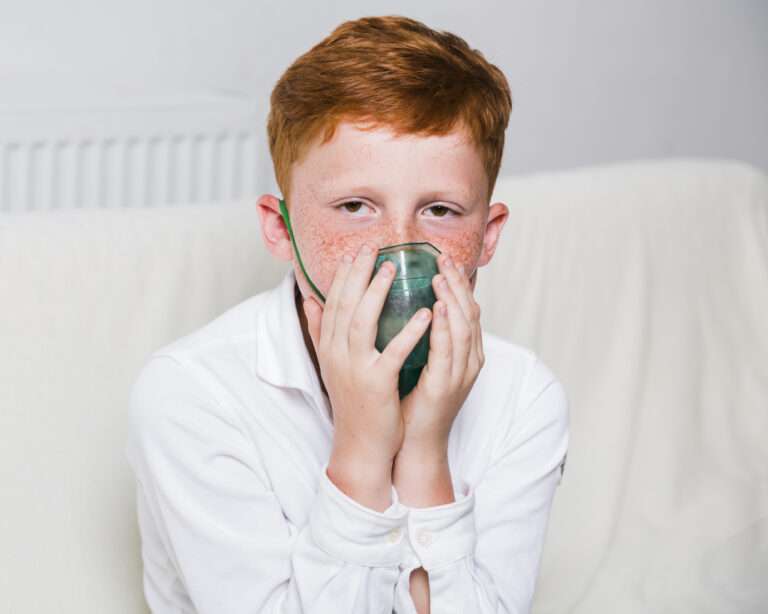



Best practices for helping children to cope with hormonal disorders
Coping with hormonal disorders can be challenging for children and their families. Here are some best practices to help children cope with hormonal disorders:
- Open Communication: Create an environment where your child feels comfortable discussing their feelings, concerns, and questions about their condition. Encourage them to express themselves openly.
- Education: Provide age-appropriate information about the hormonal disorder. Help your child understand what’s happening in their body, why it’s happening, and what to expect. This knowledge can empower them and reduce anxiety.
- Normalize Feelings: Let your child know that it’s okay to feel frustrated, sad, or worried about their condition. Validate their emotions and assure them that their feelings are normal.
- Supportive Medical Team: Involve a knowledgeable medical team, including pediatric endocrinologists, therapists, and counselors, to provide your child with proper medical care and emotional support.
- Encourage Self-Care: Teach your child the importance of self-care. This could include getting enough rest, eating well, staying hydrated, and engaging in activities they enjoy.
- Set Realistic Expectations: Help your child set realistic expectations for themselves. Some hormonal disorders might require ongoing management, and it’s important for them to understand that progress might take time.
- Peer Support: If appropriate, connect your child with support groups for children with similar conditions. Sharing experiences with peers who understand can be reassuring.
- Positive Self-Image: Encourage a positive self-image. Focus on your child’s strengths and achievements rather than their condition.
- Mindfulness and Relaxation: Teach your child mindfulness techniques and relaxation exercises to help manage stress and anxiety.
- Socialization: Encourage your child to maintain social interactions and friendships. Hormonal disorders can sometimes affect self-esteem, so positive social interactions can be beneficial.
- Hobbies and Interests: Support your child in pursuing hobbies and interests they enjoy. Engaging in activities they love can provide a sense of normalcy and joy.
- Flexibility: Be flexible with routines and expectations. Hormonal disorders might lead to fluctuations in energy levels and moods. Adapt as needed to accommodate their needs.
- Advocate for Them: Advocate for your child’s needs in educational settings and other environments. Ensure that teachers and caregivers are aware of their condition and any accommodations they might require.
- Goal Setting: Help your child set achievable goals, both short-term and long-term. Celebrate their successes and milestones.
- Professional Support: If needed, consider involving a mental health professional who specializes in working with children coping with chronic conditions. Therapy can provide valuable tools for managing emotions.
- Family Support: Ensure that the entire family is supportive and informed about the child’s condition. Openly discuss how everyone can contribute to the child’s well-being.
- Monitor Self-Care: As your child grows, encourage them to take more responsibility for their own self-care, gradually allowing them to take ownership of managing their condition.


Remember that every child is unique, and coping strategies will vary. It’s important to listen to your child’s needs and preferences and to adjust your approach based on their individual personality and challenges. Always work closely with your child’s healthcare provider to ensure they receive the best possible care tailored to their individual needs.