
Teething in Babies: Signs, Timeline, Safe Relief and What to Avoid
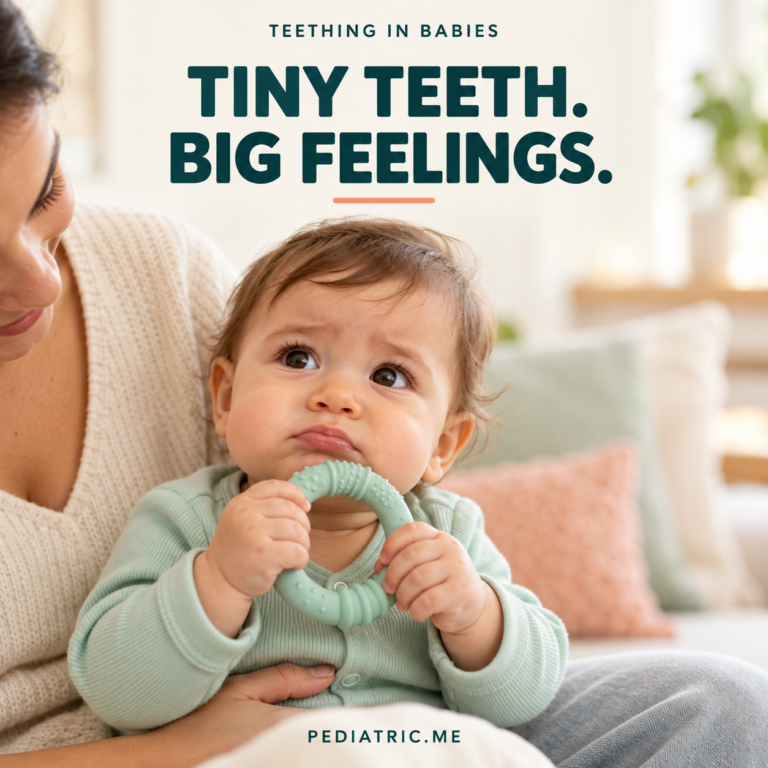
Quick answer: Teething in babies usually starts around 6 months, though anywhere from about 3 to 12 months can be normal. Expect drooling, chewing, sore gums and fussiness. Safe relief includes a firm rubber teether, a chilled (not frozen) washcloth, and gentle gum rubbing. Skip benzocaine and lidocaine gels, homeopathic teething tablets, and amber teething necklaces.
5 Early Signs of Genius in Babies (Backed by Research)
Every parent has wondered at some point: “Is my baby a little genius?” While there’s no test that can predict a child’s future IQ, decades of developmental research show that certain early behaviors are associated with strong thinking skills, fast learning, and advanced problem-solving later in childhood. Still, babies—and geniuses—develop in many different ways. Hitting…
Is It Normal for My Toddler to Bite, Hit, or Throw Things? A Comprehensive Guide for Parents
Yes, it is normal for toddlers to bite, hit, or throw things as part of their development. These behaviors often stem from their limited ability to communicate emotions, frustrations, or needs. While this is typical for toddlers, understanding why these behaviors occur and how to address them effectively is crucial for fostering your child’s emotional…
Complete Guide to Potty Training Your Toddler
Potty training is an important developmental milestone for toddlers and a big step toward independence. While many parents look forward to this transition, it can also be daunting to know when and how to start. Based on trusted sources like the American Academy of Pediatrics (AAP) and the Mayo Clinic, this guide will help you…
Baby Development Milestones: Key Stages from Birth to 24 Months
This article provides a detailed overview of key developmental milestones in babies from birth to 24 months. It highlights major physical, emotional, sensory, and communication developments at various stages, such as lifting their heads, sitting up, crawling, and eventually walking. The article also covers social and emotional milestones like recognizing caregivers, laughing, and showing preferences…
How to promote healthy eating habits in children
Be a positive role model by eating healthy yourself, as children often emulate their parents’ habits. Making mealtime a pleasant and stress-free experience is crucial. Avoid pressuring or forcing kids to eat certain foods, which can create negative associations. Instead, introduce new foods gradually and in small portions without making a big deal out of…
How to establish a bedtime routine
Establishing a bedtime routine for kids is crucial for their health and well-being, promoting better sleep and overall development. Here’s a comprehensive guide on how to create and maintain a successful bedtime routine: 1. Set a Consistent Schedule 2. Create a Calming Environment 3. Wind-Down Activities 4. Limit Screen Time 5. Establish a Routine Order…
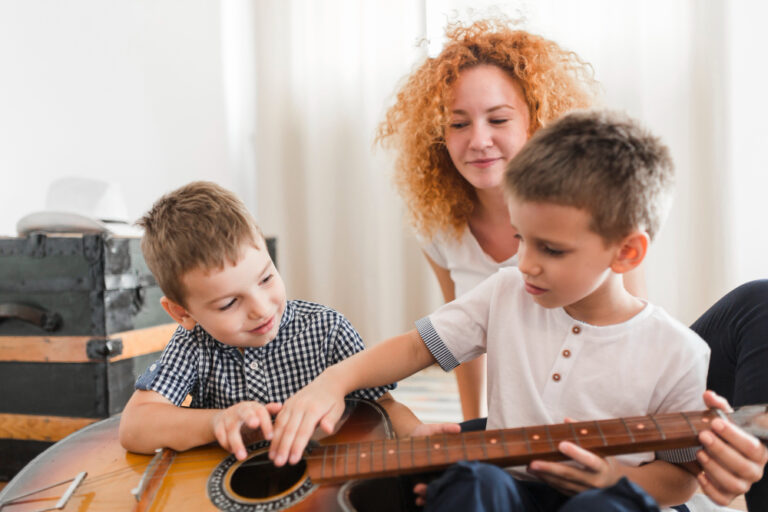
How Music Lessons Can Shape Children’s Social and Emotional Growth
Music lessons can have profound impacts on children’s social and emotional development. Engaging in music education helps children enhance their emotional intelligence, develop empathy, and build social skills. Here are several ways music lessons contribute to this growth: Practical Implementation Conclusion Music lessons offer far-reaching benefits that extend beyond musical proficiency. By fostering emotional expression,…