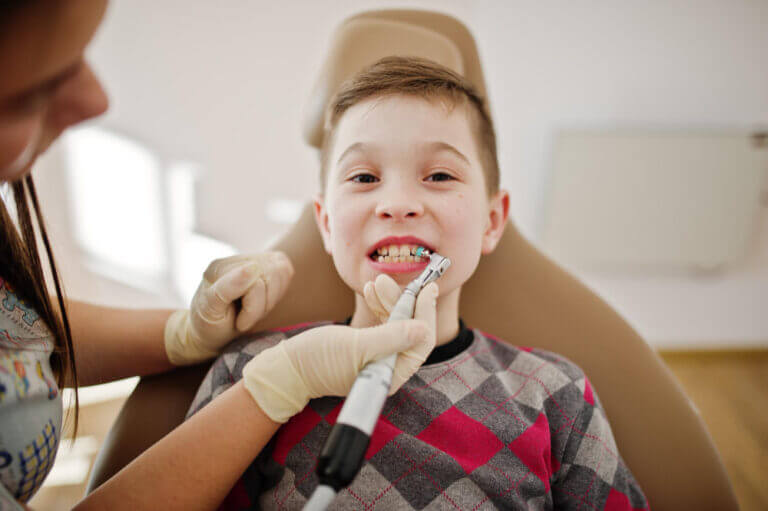



Pediatric Dentist: What They Do, First Visit Age and How to Choose One
Quick answer: A pediatric dentist is a dentist who specializes in the teeth and mouths of babies, children and teens, including children with special health care needs. After 4 years of dental school, they complete 2 more years of residency training in children’s dentistry. Pediatric dentists provide checkups, cleanings, fluoride, sealants and cavity care, and they handle teething, thumb-sucking, dental injuries and early bite problems in a kid-friendly setting. The American Academy of Pediatrics (AAP) recommends a child’s first dental visit by their first birthday or within 6 months of the first tooth, then regular checkups, usually every 6 months.
What is a pediatric dentist?
A pediatric dentist (sometimes called a pedodontist) is a dental specialist focused on children’s oral health from infancy through the teen years. Pediatric dentists are trained in how children’s teeth, jaws and mouths grow, in managing children’s behavior and fears, and in caring for kids with special health care needs.
Good dental care in childhood matters. Tooth decay is one of the most common chronic diseases of childhood in the U.S., according to the AAP. The CDC reports that about half of children ages 6 to 9 have had a cavity, and children from lower-income families are more than twice as likely to have untreated cavities.
What does a pediatric dentist do?
According to the AAP, pediatric dentists provide:
| Service | What it includes |
|---|---|
| Infant oral health exams | First checkups and a cavity risk check for baby (and advice for parents) |
| Preventive care | Cleanings, fluoride treatments, dental sealants, and nutrition and diet advice |
| Habit counseling | Pacifier use, thumb-sucking and other habits that affect teeth |
| Cavity treatment | Fillings, baby tooth crowns (such as stainless steel crowns) and treatment of tooth defects |
| Early bite and alignment care | Early assessment and treatment of crooked teeth or bite problems, with referral to an orthodontist when needed |
| Dental injuries | Chipped, broken, pushed-in or knocked-out teeth |
| Gum care | Diagnosing and managing gum disease and other mouth conditions |
| Special health care needs | Care for children with conditions such as autism, ADHD, heart defects, asthma or diabetes that can affect dental care |
When should my child first see a dentist?
The AAP recommends that your child see a dentist by their first birthday or within 6 months of getting their first tooth, whichever comes first. Starting early creates a “dental home,” one place where your child gets regular, ongoing dental care. After the first visit, most children see the dentist about every 6 months, or more often if they’re at higher risk of cavities.
Your pediatrician also helps protect your child’s teeth. Starting around 6 months, pediatricians can paint fluoride varnish on baby teeth every 6 months until age 5, and more often for children at higher risk. Learn more about dental health screening and teething in babies.
Dental care by age: what to expect
| Age | What to do |
|---|---|
| Birth to first tooth | Wipe gums with a soft, damp cloth. Don’t put baby to bed with a bottle of milk, formula or juice. |
| First tooth to age 3 | Brush twice a day with a smear of fluoride toothpaste the size of a grain of rice. First dental visit by age 1. Fluoride varnish at checkups. |
| Ages 3 to 6 | Use a pea-sized amount of fluoride toothpaste. Teach your child to spit without rinsing. Start flossing when teeth touch. |
| Ages 6 to 12 | Ask about sealants on permanent molars as they come in. Supervise brushing until about age 10. Use a mouthguard for sports. |
| Teens | Keep up checkups and cleanings, and ask about wisdom teeth, orthodontic care and the effects of vaping and sugary drinks. |
For step-by-step tips, see the best way to clean your baby’s or young child’s teeth.


Pediatric dentist vs. family dentist: which is better for my child?
| Pediatric dentist | General (family) dentist | |
|---|---|---|
| Training | Dental school plus 2 years of specialty residency in children’s dentistry | Dental school; may treat patients of all ages |
| Patients | Babies, children, teens and children with special health care needs | Children and adults |
| Office | Kid-sized equipment and a child-friendly office | Usually designed for adults and families |
| Best for | Babies and toddlers, anxious kids, children with special needs or high cavity risk, complex care | Older children and families who want one dentist for everyone |
Both can provide good care. A pediatric dentist may be especially helpful for very young children, kids who are nervous about the dentist, and children with special health care needs.
What training does a pediatric dentist have?
- 4 years of dental school, earning a DDS (Doctor of Dental Surgery) or DMD (Doctor of Dental Medicine) degree
- 2 years of residency focused on babies, children, teens and kids with special needs, including child development, behavior guidance, sedation and hospital dentistry
Many pediatric dentists also choose to become board certified by the American Board of Pediatric Dentistry (ABPD), which requires passing additional exams. A board-certified pediatric dentist is called a “Diplomate” of the ABPD. Pediatric dentists work in private practices, dental schools and medical centers.
What happens at a child’s first dental visit?
The first visit is usually short and gentle. The dentist may:
- Look at your child’s teeth, gums, jaw and bite, often with your child sitting on your lap (“knee-to-knee” exam)
- Check for early signs of tooth decay and assess cavity risk
- Clean the teeth and apply fluoride if needed
- Show you how to brush and floss your child’s teeth
- Talk about teething, pacifiers, thumb-sucking, bottles, diet and fluoride
Tips to help your child feel comfortable
- Schedule visits when your child is usually rested, such as in the morning
- Read books or play “dentist” at home to make it familiar
- Use positive words and avoid words like “hurt” or “shot”
- Stay calm; children pick up on parents’ worries
More ideas: how to make your child comfortable with dental visits.
How to prevent cavities in children
- Brush twice a day with fluoride toothpaste in the right amount for your child’s age
- Floss once teeth touch each other
- Limit sugary drinks and snacks, including juice, and don’t let your child sip sweet drinks all day
- No bottles in bed, except water, and don’t dip pacifiers in sugar or honey
- Drink fluoridated tap water if your community has it, and ask your dentist about fluoride if it doesn’t
- Get sealants on permanent back teeth. The CDC says sealants prevent 80% of cavities for 2 years, and school-age children without them have almost 3 times more cavities in their first molars.
- See the dentist regularly, usually every 6 months
Read more in how to help prevent cavities in your child’s teeth and best dental hygiene practices for children.
When to call the dentist right away
Call your child’s dentist the same day for:
- A knocked-out permanent (adult) tooth. Pick it up by the crown, not the root, gently rinse it, and try to put it back in the socket or keep it in milk. Get to the dentist within 30 to 60 minutes. Don’t put a knocked-out baby tooth back in.
- A chipped, broken or loosened tooth after a fall or injury
- A toothache, swelling of the face or gums, or a pimple-like bump on the gums
- Bleeding that won’t stop after an injury
Go to the ER if your child has facial swelling with fever, trouble swallowing or breathing, or a head injury. See our red-flag guide for parents.
How to find a pediatric dentist
- Ask your pediatrician for a recommendation
- Use the American Academy of Pediatric Dentistry’s “Find a Pediatric Dentist” tool
- For Medicaid or CHIP coverage, visit InsureKidsNow.gov
- Search our directory to find care near you
Frequently Asked Questions
What age should a child first see a pediatric dentist?
The American Academy of Pediatrics recommends a child’s first dental visit by their first birthday or within 6 months of the first tooth coming in, whichever comes first. Early visits help catch problems and set up a dental home for regular care.
What is the difference between a pediatric dentist and a regular dentist?
A pediatric dentist completes 2 extra years of residency training focused on babies, children, teens and kids with special health care needs, and usually has a child-friendly office with kid-sized equipment. A general dentist treats patients of all ages. Both can care for children.
Until what age can my child see a pediatric dentist?
Pediatric dentists care for children from infancy through the teen years. Many patients move to a general dentist around ages 18 to 21, and some practices continue seeing young adults with special health care needs longer.
How often should kids go to the dentist?
Most children should see the dentist about every 6 months for a checkup and cleaning. Your child’s dentist may recommend more frequent visits if your child has a higher risk of cavities.
How much toothpaste should my child use?
For children under 3, use a smear of fluoride toothpaste the size of a grain of rice. From age 3, use a pea-sized amount and teach your child to spit it out without rinsing. Supervise brushing until about age 10.
Are dental sealants worth it for kids?
Yes, for most children. The CDC reports that sealants on the back teeth prevent 80% of cavities for 2 years and keep protecting for up to 4 years. School-age children without sealants have almost 3 times more cavities in their first molars.
Do baby teeth really matter if they fall out anyway?
Yes. Baby teeth help children chew, speak clearly and hold space for adult teeth. Untreated cavities in baby teeth can cause pain, infection and problems with the adult teeth underneath.
Do pediatric dentists do braces?
Pediatric dentists check your child’s bite as they grow and may provide early treatment for alignment or bite problems, such as space maintainers. For full braces, they usually refer to an orthodontist.
Related guides
- Common Children’s Dental Issues
- Top Concerns in Pediatric Dentistry
- How to Help Prevent Cavities in Your Child’s Teeth
- Teething in Babies
- Why Do Kids Get Silver Teeth (Steel Crowns)?
- Types of Pediatricians
Sources
- AAP (HealthyChildren.org): What is a Pediatric Dentist?
- AAP (HealthyChildren.org): Brushing Up on Oral Health: Never Too Early to Start
- CDC: Cavities Fast Facts
- CDC Vital Signs: Dental Sealants Prevent Cavities
- American Board of Pediatric Dentistry
Last reviewed October 2026 against the sources above. This article is for general information and is not a substitute for advice from your child’s dentist or doctor.