


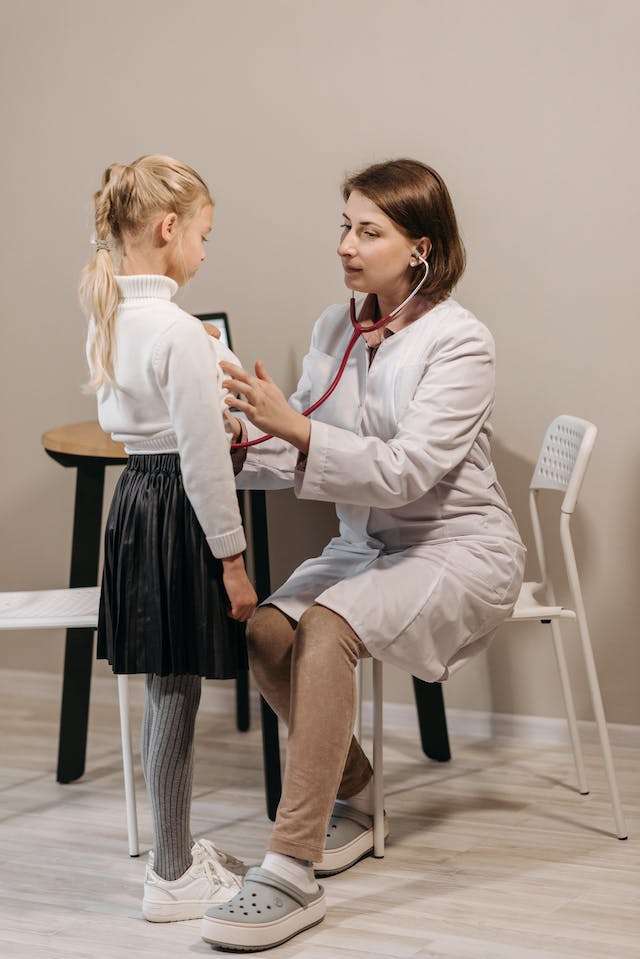
Hypothyroidism in children
Hypothyroidism in children is a medical condition characterized by an underactive thyroid gland, which does not produce enough thyroid hormones to support normal growth and development. Thyroid hormones play a crucial role in regulating various bodily functions, including metabolism, energy production, and the growth and maturation of tissues and organs. When thyroid hormone levels are insufficient, it can lead to a range of physical and developmental issues in children. Here are key points to understand about hypothyroidism in children:
1. Causes of Hypothyroidism in Children:
- Congenital Hypothyroidism: This is present at birth and can be due to genetic factors, thyroid gland abnormalities, or maternal thyroid disorders during pregnancy.
- Acquired Hypothyroidism: This can develop later in childhood and may result from autoimmune thyroiditis (Hashimoto’s thyroiditis), thyroid surgery, radiation therapy, certain medications, or other underlying medical conditions.
2. Signs and Symptoms:
- Hypothyroidism in children can have a wide range of symptoms, which may include:
- Slow growth and short stature.
- Delayed or impaired physical and sexual development.
- Fatigue and low energy levels.
- Weight gain and difficulty losing weight.
- Cold intolerance.
- Dry skin and hair.
- Constipation.
- Muscle weakness.
- Slowed heart rate.
- Delayed or impaired mental and cognitive development.
- Newborns with congenital hypothyroidism may exhibit few or no symptoms initially, which is why newborn screening programs are essential to detect the condition early.
3. Diagnosis:
- Hypothyroidism in children is typically diagnosed through blood tests that measure levels of thyroid hormones (T4 and TSH).
- Newborns are often screened for congenital hypothyroidism shortly after birth.
4. Treatment:
- The main treatment for hypothyroidism in children is thyroid hormone replacement therapy, usually with levothyroxine (Synthroid or Levoxyl).
- The goal of treatment is to normalize thyroid hormone levels in the body, allowing for proper growth and development.
- Regular follow-up with a pediatric endocrinologist is essential to monitor thyroid hormone levels and adjust medication dosages as needed.
5. Long-Term Management:
- Children with hypothyroidism often require lifelong treatment with thyroid hormone replacement.
- With proper treatment and monitoring, most children with hypothyroidism can achieve normal growth and development and lead healthy lives.
6. Complications:
- Untreated or inadequately treated hypothyroidism in children can lead to developmental delays, cognitive impairment, and growth deficits.
- It’s crucial to diagnose and treat hypothyroidism promptly to prevent complications.
7. Psychological and Social Support:
- Children with hypothyroidism may experience challenges related to their growth and development. Emotional support and educational assistance can be beneficial.
Parents and caregivers should seek medical evaluation and consultation with a pediatric endocrinologist if they suspect that their child has symptoms of hypothyroidism. Early diagnosis and appropriate treatment are essential to manage the condition effectively and ensure healthy growth and development in children.
Support guides
- Dr. Westin Childs Essential T2 – Bio-Identical 3,5 Diiodo-l-thyronine for Hypothyroidism, Hashimoto’s, Thyroidectomy & Rai, 60 Day Supply
- Help! My Child Has Hashimoto’s: A Parent’s Survival Guide to Autoimmune Hypothyroidism
- The Complete Thyroid Cookbook: Easy Recipes and Meal Plans for Hypothyroidism and Hashimoto’s Relief