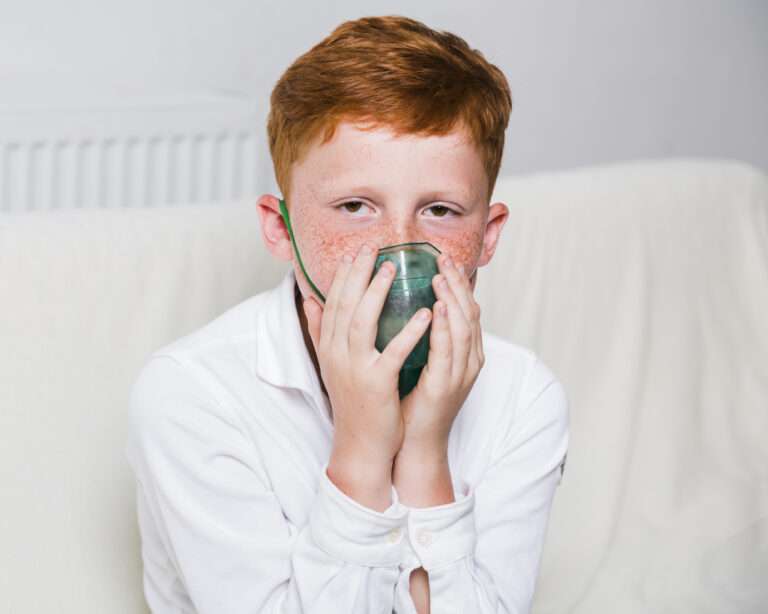



What Does a Pediatric Pulmonologist Treat? 12 Common Conditions
Quick answer: Pediatric pulmonologists are doctors who diagnose and treat lung, airway and breathing problems in babies, children and teens. The most common reasons children see one are asthma that is hard to control, a chronic cough lasting more than 4 weeks, repeated pneumonia or wheezing, cystic fibrosis, lung disease from being born premature (bronchopulmonary dysplasia), noisy breathing, and sleep-disordered breathing such as obstructive sleep apnea. Most children are referred by their pediatrician when breathing symptoms keep coming back or don’t improve with usual treatment.
Conditions pediatric pulmonologists treat at a glance
| Condition | Typical signs | Common tests |
|---|---|---|
| Asthma | Wheezing, cough at night or with exercise, chest tightness | Spirometry, exercise or allergy testing |
| Chronic cough | Cough lasting longer than 4 weeks | Chest X-ray, spirometry, sometimes bronchoscopy |
| Recurrent pneumonia | Two or more pneumonias, or repeated wheezing illnesses | Chest imaging, immune and swallow studies |
| Cystic fibrosis | Positive newborn screen, chronic cough, poor weight gain | Sweat chloride test, genetic testing |
| Bronchopulmonary dysplasia (BPD) | Premature baby needing extra oxygen or breathing support | Oxygen monitoring, echocardiogram |
| Obstructive sleep apnea | Loud snoring, pauses in breathing, daytime sleepiness | Overnight sleep study (polysomnography) |
| Noisy breathing (stridor) | High-pitched sound when breathing in | Flexible bronchoscopy, airway imaging |
The 12 most common conditions pediatric pulmonologists treat
1. Asthma
Asthma is one of the most common chronic diseases of childhood, according to the CDC. The airways become inflamed and narrow, causing wheezing, coughing (often at night or with exercise) and shortness of breath. Most children with mild asthma are managed by their pediatrician; a pulmonologist gets involved when asthma is severe, causes ER visits or hospital stays, or doesn’t improve with daily controller medicine. They confirm the diagnosis with lung function tests, adjust inhalers, check inhaler technique and write an asthma action plan. Learn more about what causes asthma in children and bronchiolitis vs. asthma in wheezing toddlers.
2. Chronic cough
A cough that lasts more than 4 weeks in a child is considered chronic. Causes include asthma, lingering infection (protracted bacterial bronchitis), post-nasal drip, reflux, an inhaled object, or less often an underlying lung disease. A pulmonologist works out the cause instead of treating the cough alone.
3. Bronchiolitis and recurrent wheezing
Bronchiolitis is a viral infection of the small airways, usually from RSV, in children under 2. Most babies recover at home, but those who wheeze again and again, or who had severe bronchiolitis, may be followed by a pulmonologist. Read about bronchiolitis in children and RSV in babies.
4. Recurrent or complicated pneumonia
Most pneumonia is treated by a pediatrician. A pulmonologist steps in when pneumonia keeps coming back, always shows up in the same part of the lung, or causes complications such as fluid around the lung. They look for causes like aspiration (food or liquid going into the lungs), an immune problem or an airway abnormality. See pneumonia in children and walking pneumonia in kids.
5. Cystic fibrosis
Cystic fibrosis (CF) is an inherited disease that makes thick, sticky mucus build up in the lungs and digestive system. Every U.S. state screens newborns for CF, and the diagnosis is confirmed with a sweat test. Children with CF are cared for by a pulmonologist at an accredited CF care center, with airway clearance, inhaled medicines, nutrition support and, for many children, newer CFTR modulator medicines. Learn more about cystic fibrosis in children.
6. Obstructive sleep apnea and sleep-disordered breathing
Loud nightly snoring, gasping or pauses in breathing can be signs of obstructive sleep apnea. In children, the most common cause is enlarged tonsils and adenoids, so the first treatment is often surgery by a pediatric ENT. Pulmonologists order and interpret sleep studies and manage children who need CPAP or BiPAP, such as those with obesity, Down syndrome or neuromuscular disease, or whose apnea continues after surgery. See sleep apnea in children and is my child’s loud snoring sleep apnea?
7. Bronchopulmonary dysplasia (lung disease of prematurity)
Babies born very early may develop bronchopulmonary dysplasia (BPD), a chronic lung disease that can require home oxygen, inhaled medicines or breathing support. Pulmonologists follow these babies after they leave the NICU, often alongside a neonatologist and cardiologist. This is the childhood condition sometimes loosely compared to COPD in adults, although true COPD is rare in children.
8. Noisy breathing and airway problems
Stridor (a high-pitched sound when breathing in) or persistent noisy breathing can come from soft, floppy airway tissue (laryngomalacia or tracheomalacia), narrowing of the airway, or a blood vessel pressing on the windpipe. Pulmonologists often look directly at the airway with a thin, flexible camera (bronchoscopy).


9. Inhaled foreign objects
Toddlers sometimes inhale small objects such as nuts, seeds or toy parts. A sudden choking episode followed by cough or wheeze that won’t go away needs prompt evaluation, and the object may need to be removed with bronchoscopy. A sudden choking episode with trouble breathing is an emergency: call 911.
10. Breathing problems from neuromuscular disease
Children with weak breathing muscles, such as those with spinal muscular atrophy or Duchenne muscular dystrophy, need regular lung checks, cough-assist devices and sometimes nighttime ventilation.
11. Children with tracheostomies or home ventilators
Pulmonologists help manage children who breathe through a tracheostomy or depend on a home ventilator, working with ENT surgeons, home-care teams and families.
12. Rare lung diseases
Less common conditions include primary ciliary dyskinesia, interstitial lung disease in children (chILD), congenital lung malformations and pulmonary hypertension. These are usually managed at children’s hospitals with specialized lung programs.
Tests a pediatric pulmonologist may order
- Spirometry and lung function tests: your child breathes hard into a tube to measure how well air moves in and out. Most children can do this from about age 5 or 6.
- Chest X-ray or CT scan: pictures of the lungs and airways.
- Sweat chloride test: the standard test to confirm cystic fibrosis.
- Overnight sleep study: monitors breathing, oxygen and sleep stages.
- Flexible bronchoscopy: a thin camera passed into the airways, usually under sedation, to look inside and collect samples.
- Pulse oximetry and exercise testing: checks oxygen levels at rest, during sleep or with activity.
When should my child see a pediatric pulmonologist?
Ask your pediatrician about a referral if your child has:
- Asthma that still causes symptoms, missed school, ER visits or steroid courses despite daily medicine
- A cough lasting more than 4 weeks
- Two or more pneumonias, or wheezing that keeps coming back
- Loud snoring most nights, pauses in breathing, or daytime sleepiness
- Noisy breathing, or a choking episode followed by a cough that won’t go away
- A positive cystic fibrosis newborn screen, or a premature birth with ongoing oxygen needs
Call 911 or go to the ER if your child is struggling to breathe, the skin between the ribs pulls in with each breath, their lips look blue or gray, they can’t speak or cry normally, or their rescue inhaler isn’t helping. See our red-flag symptom guide.
Find a pediatric pulmonologist
Learn more about what a pediatric pulmonologist is and their training, then search for one near you. Every listing in the Pediatric.me directory is NPI-verified from the U.S. federal registry.
Frequently asked questions
What is the most common condition a pediatric pulmonologist treats?
Asthma is the most common reason children see a pediatric pulmonologist, especially asthma that is severe or hard to control. Chronic cough, recurrent wheezing and sleep-disordered breathing are also very common reasons for referral.
Should my child see a pulmonologist or an allergist for asthma?
Both treat asthma. A pediatric allergist is often the better fit when allergies clearly trigger the asthma. A pulmonologist is often preferred for severe asthma, unclear diagnoses, chronic cough or other lung problems. Your pediatrician can help decide, and some children see both.
Is a chronic cough in a child serious?
Usually it has a treatable cause such as asthma, a lingering bacterial bronchitis or post-nasal drip. But a cough lasting more than 4 weeks should be checked, because it can occasionally point to an inhaled object or an underlying lung condition.
Do pediatric pulmonologists treat sleep apnea?
Yes. They order and read sleep studies and manage CPAP or BiPAP. Because enlarged tonsils and adenoids are the most common cause in children, many kids are first treated with surgery by a pediatric ENT.
What happens at a first pediatric pulmonology visit?
Expect a detailed breathing history, a physical exam, and often a lung function test or chest X-ray. Bring a list of medicines and inhalers (and the inhalers themselves), any past test results, and notes or videos of the symptoms that worry you.
This article is for general education and is not a substitute for medical advice. Always talk with your child’s pediatrician or pulmonologist about their specific situation. If your child is having trouble breathing, call 911.