


Bronchiolitis in children
Bronchiolitis is a common respiratory illness that primarily affects infants and young children. It is typically caused by viral infections and leads to inflammation and mucus buildup in the small airways of the lungs (bronchioles). Here are key points to understand about bronchiolitis in children:
Common Cause:
- Respiratory syncytial virus (RSV) is the most common cause of bronchiolitis, but other viruses such as rhinovirus, adenovirus, and human metapneumovirus can also be responsible.
Age Group:
- Bronchiolitis primarily affects infants and children under the age of two, with the highest risk in babies under six months old.
Symptoms:
- The symptoms of bronchiolitis can vary in severity but often include:
- Cough.
- Runny or stuffy nose.
- Rapid breathing.
- Wheezing (a high-pitched sound during breathing).
- Fever.
- Difficulty feeding due to rapid breathing and increased effort required for breathing.
Diagnosis:
- Bronchiolitis is typically diagnosed based on clinical symptoms and physical examination.
- In some cases, a chest X-ray or other tests may be done to rule out other conditions or to assess the severity of the illness.
Treatment:
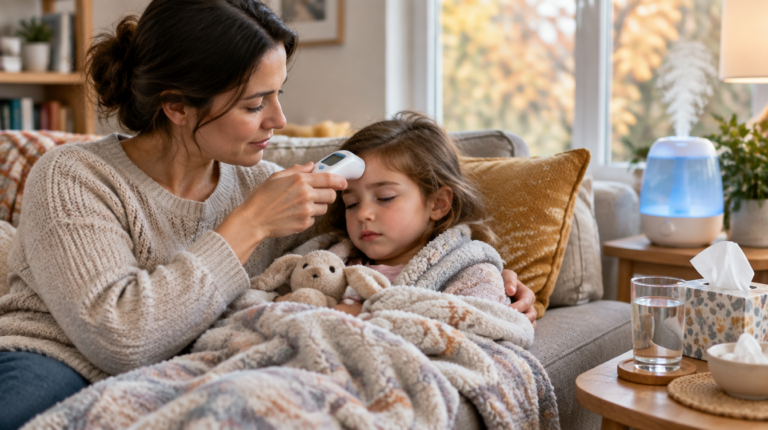
- Most cases of bronchiolitis are mild and can be managed at home with supportive care. This includes keeping the child hydrated, using a humidifier, and providing fever-reducing medications as recommended by a healthcare provider.
- In severe cases or if the child has difficulty breathing, hospitalization may be necessary for oxygen therapy and close monitoring.
Prevention:
- There is no specific vaccine for RSV, which is a common cause of bronchiolitis. However, preventive measures include:
- Frequent handwashing to reduce the spread of viruses.
- Avoiding close contact with individuals who have respiratory infections.
- Administering palivizumab, a monoclonal antibody, to certain high-risk infants during RSV season to reduce the risk of severe RSV infection.
Course of Illness:
- The course of bronchiolitis varies, with most children improving within a week. However, some may continue to have cough and congestion for several weeks.
Risk Factors:
- Premature infants, those with underlying health conditions (such as congenital heart disease or chronic lung disease), and infants exposed to secondhand smoke are at higher risk of developing severe bronchiolitis.
Seek Medical Care:
- Parents and caregivers should seek medical care if a child with bronchiolitis has difficulty breathing, severe dehydration, or signs of respiratory distress.
Bronchiolitis is a common respiratory infection in young children, and while it can be distressing, most cases resolve with supportive care. Monitoring the child’s breathing and overall health and seeking medical attention if necessary are essential steps in managing bronchiolitis. Parents and caregivers should consult a healthcare provider for guidance on caring for a child with bronchiolitis, especially if the child has risk factors for severe illness.