


Traction alopecia in children
Traction alopecia in children is a form of hair loss caused by continuous tension or pulling on the hair follicles, commonly resulting from certain hair styling practices.
Causes
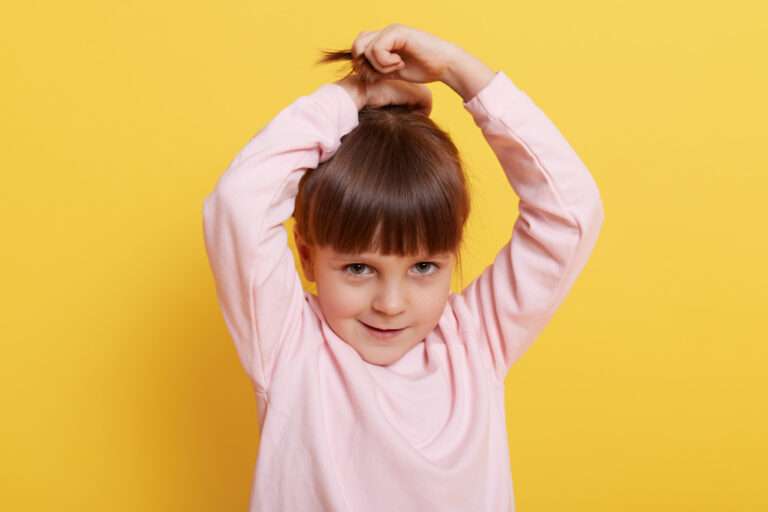
- Hairstyles: Traction alopecia is often caused by wearing the same hairstyle for long periods, especially those that tug on the hair, like braids, weaves, cornrows, tight ponytails, heavy locks, and hair rollers. Tight hairstyles applied to relaxed hair can cause even further damage. The constant pulling loosens the hair from the follicles, leading to hair loss.
Symptoms
- Early Signs: Small flesh-colored or white bumps may appear around hair follicles where the hair is pulled most tightly. This is followed by symmetric hair loss, typically most noticeable around the hairline. Initially, traction alopecia is temporary, but if hairstyling habits remain unchanged, the hair loss may become permanent.
Treatment
- Early Stage Management: The best treatment in early stages is to limit or eliminate hairstyles that pull on the hair. Wearing hair in loose styles, especially overnight, and reducing the use of chemicals and heat during styling are recommended.
- Medical Interventions: In cases of scalp tenderness, bumps, or inflammation, topical antibiotics or corticosteroids may be used. For more severe cases, treatments may include oral antibiotics, injected corticosteroids, or topical minoxidil.
- Advanced Cases: Once scarring occurs, hair transplantation may be one of the few available options. The best approach to managing traction alopecia is prevention.
Prevention and Care
Preventing traction alopecia involves choosing hairstyles that do not exert excessive tension on the hair. Parents and caregivers should opt for looser hairstyles for children and avoid tight hairdos that can lead to prolonged tension on the hair follicles. Regularly changing hairstyles and minimizing the use of heavy hair accessories can also help prevent this condition.
Important Considerations
- Monitoring Hair Health: It’s important to monitor children’s scalp health, especially if they frequently wear hairstyles that could cause traction alopecia. If signs of hair loss or scalp irritation are observed, it’s advisable to change the hairstyle and seek medical advice if necessary.
- Consultation with Specialists: In cases of persistent hair loss or scalp issues, consulting a dermatologist or pediatrician can provide guidance on appropriate treatment and hair care practices to promote hair regrowth and scalp health.
Traction alopecia in children is a preventable condition, and awareness of the risks associated with certain hairstyles is key to ensuring the healthy growth and maintenance of a child’s hair.
Fungal nail infections in children, also known as onychomycosis, occur when a fungus infects one or more of the nails. This can happen due to various types of fungi, with the most common being dermatophytes. These infections can be challenging to treat and may recur even after successful treatment.
Symptoms
- Discoloration: The nail may turn yellow, brown, or white.
- Thickening: Nails may become thicker and more difficult to trim.
- Brittleness: Infected nails may become brittle or crumbly.
- Distorted Shape: The nail may become distorted in shape.
- Pain or Discomfort: Especially if the infection is severe.
Causes
- Exposure to Fungi: Often occurs in warm, moist environments like swimming pools, showers, and locker rooms.
- Minor Nail Injury: A small cut or break in the nail can allow fungi to enter.
- Weak Immune System: Children with weaker immune systems may be more susceptible.
- Family History: Genetics can play a role in susceptibility to fungal infections.
Treatment
Treatment for fungal nail infections in children includes:
- Topical Antifungal Medications: These are applied directly to the nail and are often the first line of treatment for mild infections.
- Oral Antifungal Medications: In more severe cases, oral medications may be prescribed, but they can have side effects and may not be suitable for all children.
- Proper Nail Care: Keeping nails trimmed and clean can help prevent the spread of the infection.
- Avoiding Contaminated Areas: Encourage children to wear sandals in public showers or locker rooms.
Prevention
- Good Hygiene: Teach children to keep their feet clean and dry.
- Avoid Sharing Footwear: Do not share shoes or socks with others.
- Wear Protective Footwear: In public pools, showers, and locker rooms.
- Regular Nail Care: Keep nails trimmed and clean.
When to See a Doctor
It’s important to see a healthcare provider if you suspect your child has a fungal nail infection, especially if the infection is causing pain or spreading. Early treatment can prevent the infection from worsening and reduce the risk of spreading the infection to other nails or people.
While fungal nail infections in children are not usually serious, they can be persistent and sometimes uncomfortable. A healthcare provider can confirm the diagnosis and recommend the most appropriate treatment based on the severity and nature of the infection.