

Apophysitis in children
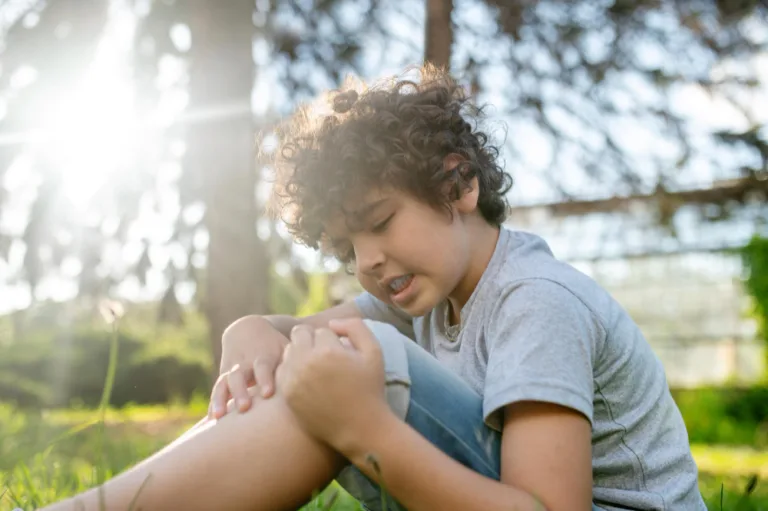
Apophysitis is an inflammation or stress injury that affects the areas around the growth plates in children and adolescents. It’s typically caused by repetitive overuse activities such as running, jumping, and throwing, but can also occur as a result of an acute injury like a fall or a rapid, powerful movement.
The condition is commonly seen in active, growing children and adolescents. Risk factors include rapid growth, inflexibility and weakness, and pushing through activity-related pain. Symptoms of apophysitis can include pain, swelling, and tenderness over a growth plate where a muscle tendon attaches. There might also be a noticeable “bump,” which may not be reversible. The pain usually worsens with activity and improves with rest, and in some cases, it can cause a limp.
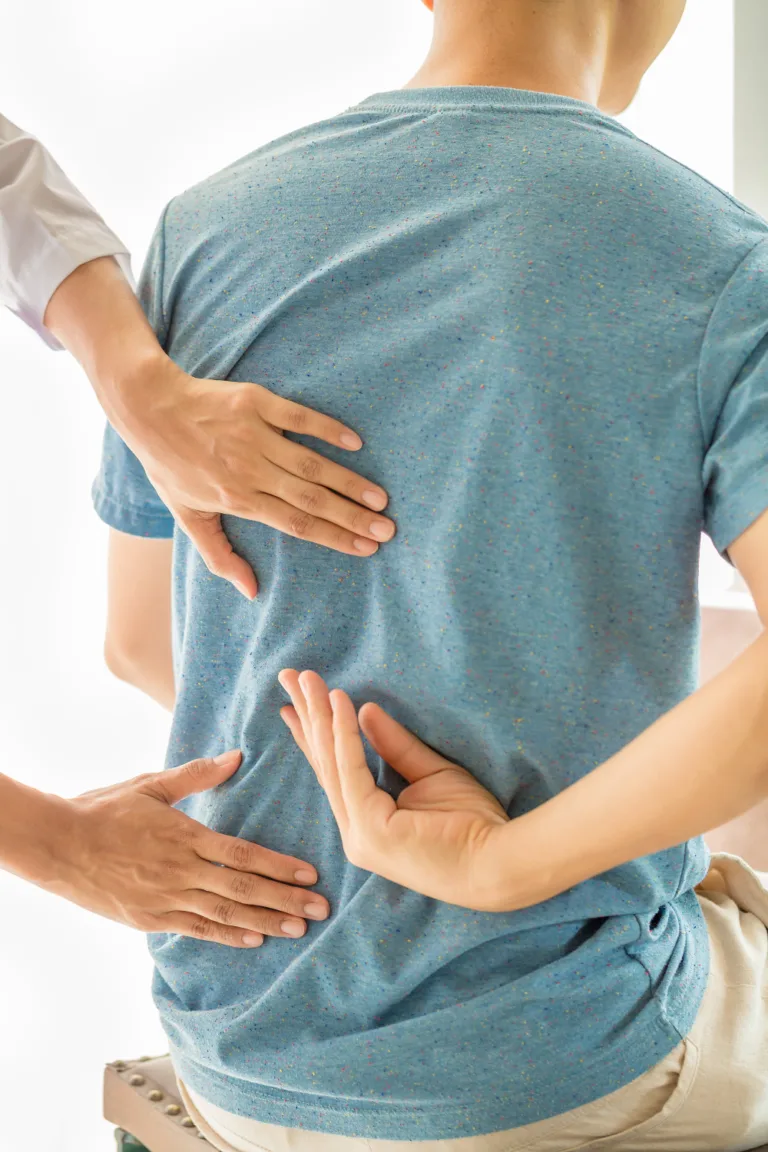
Diagnosis is typically made by a sports medicine physician through history, physical examination, and sometimes x-rays of the affected body part. The evaluation will also include checking the flexibility and strength of the muscle groups involved. X-rays may show an open growth plate at the location of pain.
Treatment focuses on controlling the pain and inflammation related to apophysitis. This often involves reducing the amount of physical activity, using ice, and taking nonsteroidal anti-inflammatory drugs (NSAIDs) or other medications. In more severe cases, absolute rest or immobilization of the body part may be necessary. Addressing lack of flexibility and strength with rehabilitation or special exercises is usually recommended before returning to sports. Surgery is rarely required for this condition.
Prevention is crucial and involves early recognition of any activity-related pain, which might be related to apophysitis. Young athletes should not limp during or after activity, as this may worsen the injury and extend the recovery period.
The return to play should be gradual, ensuring minimal pain with squatting and jumping before progressing to sports-specific movements. If the athlete experiences pain or limping during this sequence, they should continue their treatment and consult with their sports medicine physician before attempting to return to sports.