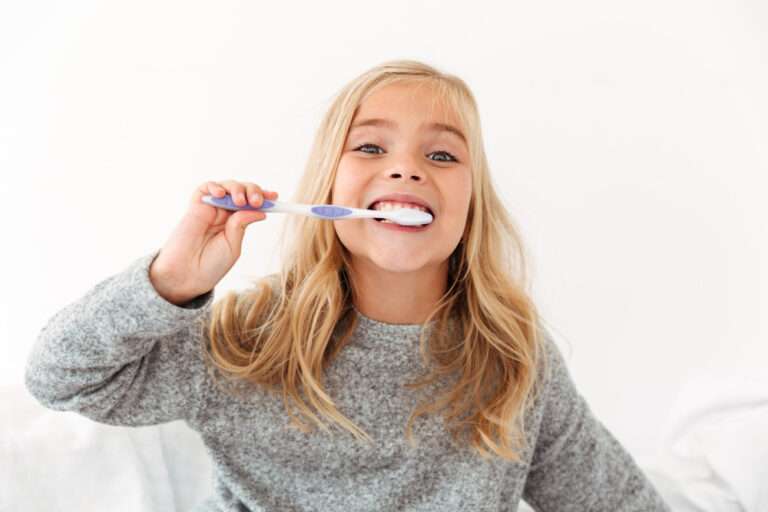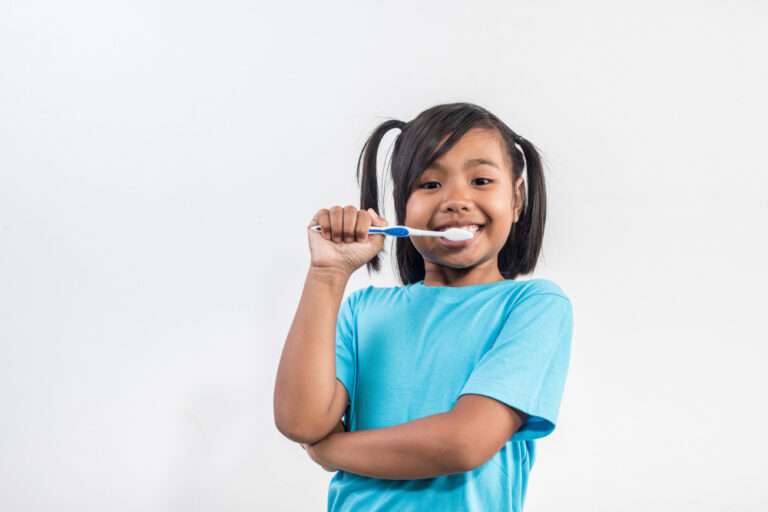



What is the best way to clean my baby’s/young child’s teeth?
Cleaning your baby or young child’s teeth is crucial for establishing good oral hygiene habits early on and preventing tooth decay. Here’s a guide to the best practices for keeping your little one’s teeth clean:
Before Teething
Even before your baby’s first tooth emerges, it’s important to start good oral hygiene habits.
- Gum Care: After feedings, gently wipe your baby’s gums with a clean, moist gauze pad or a soft washcloth. This helps remove plaque and sugar from the gums and can help your baby get used to the sensation of cleaning their mouth.
After the First Tooth Appears
Once your baby’s first tooth comes in, it’s time to start brushing.
- Brushing: Use a soft-bristled baby toothbrush and a tiny smear of fluoride toothpaste (about the size of a grain of rice) for children under 3 years old. Brush gently on the inside and outside of each of your baby’s teeth, as well as their tongue (if they let you), to remove bacteria that can cause bad breath.
- Fluoride Toothpaste: The American Academy of Pediatric Dentistry recommends using a smear of fluoride toothpaste twice a day as soon as the teeth begin to appear. From ages 3 to 6, increase the amount to a pea-sized dollop, and continue assisting your child with brushing to ensure they do it properly and don’t swallow toothpaste.
- Frequency: Brush your child’s teeth twice a day—morning and before bed. Make sure to brush all surfaces of the teeth, including the back molars where cavities often first develop.
Flossing
- When to Start: Begin flossing your child’s teeth once they have two teeth that touch. This typically occurs around the age of two or three but can vary.
- How to Floss: Use floss or flossers designed for children. Gently slide the floss between the teeth and move it back and forth, as well as up and down, against the side of each tooth.
Visiting the Dentist
- First Visit: Schedule your child’s first dental visit by their first birthday or within six months after their first tooth appears. Regular dental check-ups will help ensure their teeth are developing correctly and remain healthy. If your child feels nervous about it, there are ways to make dental visits more comfortable.
Additional Tips
- Model Good Behavior: Let your child see you brushing your own teeth. Kids learn by example, and modeling positive oral hygiene habits can encourage them to follow suit.
- Make it Fun: Use a toothbrush and toothpaste with your child’s favorite characters, and sing songs or play a game to make brushing time more enjoyable.
- Avoid Sugary Drinks and Snacks: Limit the amount of sugar your child consumes, as sugar can lead to tooth decay. Be especially mindful of sugary drinks, including juice, which can bathe the teeth in sugar for extended periods.
Addressing Challenges
- Resistance: If your child resists brushing, try to make it a game or use positive reinforcement. Praise them for a job well done and consider a reward system, like stickers, for consistent brushing.
- Chewing on the Toothbrush: It’s common for babies and young children to want to chew on their toothbrush. While a little bit of this is okay and can help them get used to the toothbrush in their mouth, guide them towards proper brushing techniques as they grow.
Conclusion
The foundation of good oral health is laid in infancy, so it’s essential to start early with good habits. By cleaning your baby or young child’s teeth regularly and properly, you can help prevent tooth decay and set them up for a lifetime of healthy smiles. Remember, your pediatric dentist is a valuable resource for advice and support in caring for your child’s teeth.