

Acne in children
Acne is a common skin condition that can affect children and adolescents. It occurs when hair follicles become clogged with oil and dead skin cells, leading to the formation of pimples, blackheads, and whiteheads. While acne is most commonly associated with the teenage years, it can also develop in younger children. Here are some key points about acne in children:
Causes:
- Hormonal Changes: Hormonal fluctuations, which often begin during puberty, are a primary cause of acne. These hormonal changes can stimulate the sebaceous (oil) glands in the skin to produce more oil, leading to clogged pores.
- Genetics: A family history of acne can increase a child’s risk of developing the condition.
- Diet: Although the role of diet in acne is still debated, some studies suggest that certain dietary factors, such as high glycemic index foods, dairy products, and sugary foods, may contribute to acne in some individuals.
- Excessive Oil Production: Some children may naturally produce more oil in their skin, making them more prone to acne.
- Bacterial Infection: The presence of the acne-causing bacteria Propionibacterium acnes on the skin can contribute to the development of pimples and inflammation.
Common Types:
- Comedonal Acne: Characterized by the presence of blackheads and whiteheads.
- Inflammatory Acne: Involves red, swollen pimples or pustules.
- Nodular or Cystic Acne: These are more severe forms of acne, with deep, painful, and often large lumps under the skin.
Treatment and Management:
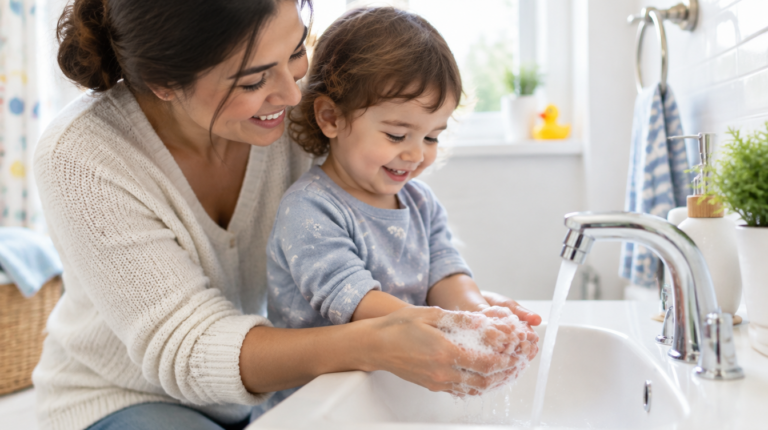
- Good Hygiene: Encourage your child to maintain good hygiene practices, including washing the face gently with a mild cleanser twice daily.
- Hands Off: Advise your child not to pick, squeeze, or pop pimples, as this can worsen inflammation and lead to scarring.
- Over-the-Counter (OTC) Products: In some cases, OTC topical treatments containing ingredients like benzoyl peroxide or salicylic acid may help. However, be cautious and follow product instructions, as some may be too harsh for young skin.
- Prescription Medications: If the acne is moderate to severe, a dermatologist may prescribe topical or oral medications, such as antibiotics, retinoids, or birth control pills (for females), to control acne.
- Lifestyle Factors: Encourage your child to maintain a healthy lifestyle, including a balanced diet, regular exercise, and stress management.
- Regular Dermatologist Visits: If your child’s acne is persistent or causing emotional distress, consult a dermatologist for a personalized treatment plan.
- Sun Protection: Teach your child to use sunscreen to protect their skin, as some acne treatments can make the skin more sensitive to the sun.
- Support: Be supportive and understanding, as acne can have a significant impact on a child’s self-esteem and emotional well-being.
It’s important to note that acne in children should be taken seriously, especially if it is severe or causing emotional distress. Early intervention and proper treatment can help prevent scarring and minimize the impact of acne on a child’s life. Consult with a healthcare professional or dermatologist for guidance on managing your child’s acne.