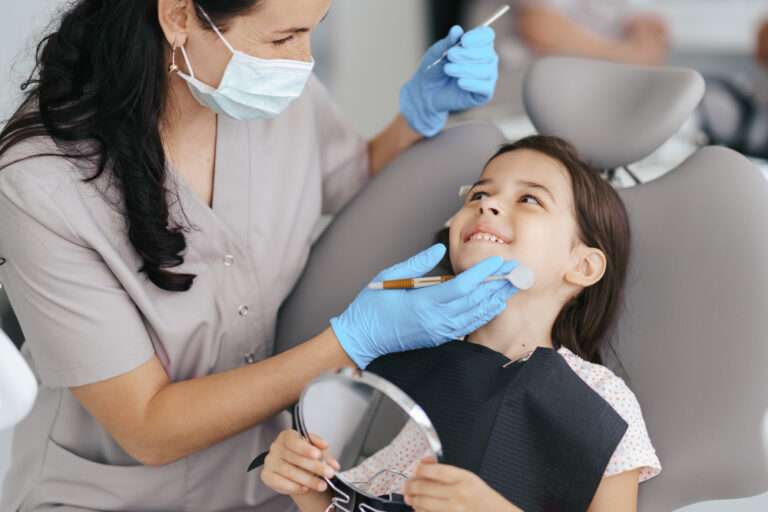



Baby Bottle Tooth Decay
Baby bottle tooth decay, also known as early childhood caries (ECC) or nursing bottle caries, is a dental condition that affects infants and young children. It is characterized by the rapid decay of primary (baby) teeth, particularly in the upper front teeth, due to prolonged exposure to sugary liquids, often through a baby bottle or sippy cup. Here’s more information about baby bottle tooth decay:
Causes:
- Prolonged Exposure to Sugary Liquids: Baby bottle tooth decay is primarily caused by prolonged and frequent exposure to sugary or acidic liquids. Common culprits include:
- Sugary formula or breast milk.
- Fruit juice (especially when given in a bottle or sippy cup and consumed frequently).
- Sugary drinks like soda or sports drinks.
- Sweetened water or flavored milk.
- Frequency and Duration: The combination of frequent feedings and prolonged exposure to sugary liquids allows harmful bacteria in the mouth to produce acid, which leads to tooth decay.
- Nighttime Bottle Feeding: Baby bottle tooth decay is often associated with bottle feeding at night, as the flow of saliva, which helps to neutralize acids and protect teeth, decreases during sleep.
Signs and Symptoms:
- Baby bottle tooth decay typically affects the upper front teeth and may manifest as:
- White or brown spots on the teeth.
- Cavities or small holes in the teeth.
- Gum irritation or redness.
- Bad breath.
- Pain or discomfort when eating or drinking.
Prevention and Management:
- Limit Sugary Liquids: Limit the consumption of sugary and acidic liquids, especially between meals. Avoid putting sugary drinks in bottles or sippy cups.
- Practice Good Oral Hygiene: Start oral hygiene practices early:
- Clean your baby’s gums with a soft cloth or gauze pad after feedings.
- Begin brushing with a soft, age-appropriate toothbrush as soon as the first tooth erupts.
- Use a rice grain-sized amount of fluoride toothpaste for children under 3 years old and a pea-sized amount for those 3-6 years old.
- Limit Nighttime Bottle Use: Avoid letting your child fall asleep with a bottle containing sugary liquids. If they need comfort during the night, offer water instead.
- Dental Check-ups: Schedule the child’s first dental check-up by their first birthday or within six months after the first tooth erupts. Regular dental visits can help detect and address dental issues early.
- Dietary Choices: Offer a balanced diet rich in fruits, vegetables, whole grains, and lean proteins. Limit sugary snacks and drinks.
- Fluoride: If your water supply lacks fluoride, ask your dentist about fluoride supplements or topical fluoride applications.
Treatment:
- Treatment for baby bottle tooth decay may involve dental restoration, such as fillings or crowns, to repair damaged teeth.
- In severe cases, extractions may be necessary.
- Dental care may also include fluoride treatments and ongoing preventive measures.
Preventing baby bottle tooth decay requires a combination of proper dental care, dietary choices, and early intervention. Parents and caregivers play a crucial role in protecting a child’s oral health by promoting good oral hygiene practices and limiting exposure to sugary and acidic liquids.