

Allergies to pollutants
Allergies to pollutants, or more accurately, sensitivity or reactions to pollutants, are a growing concern due to increasing air pollution in many urban areas. While technically not “allergies” in the traditional sense (as pollutants are not allergens like pollen or pet dander), the reactions to pollutants can resemble allergic reactions, and they can exacerbate existing respiratory conditions like asthma or allergies.
Common Pollutants and Their Sources:
- Particulate Matter (PM): These are tiny particles suspended in the air and can come from car exhaust, industrial emissions, construction sites, and natural sources like dust and pollen. PM2.5 (particles with a diameter of 2.5 micrometers or smaller) is particularly concerning as they can penetrate deep into the lungs.
- Ozone: This is a major component of smog and forms when pollutants emitted by cars, power plants, and other sources undergo chemical reactions in the presence of sunlight.
- Sulfur Dioxide (SO2): Commonly produced by power plants and industrial processes.
- Nitrogen Dioxide (NO2): Emitted from vehicle exhaust and power plants.
- Volatile Organic Compounds (VOCs): Emitted from vehicles, industrial facilities, and as gases from certain solids or liquids, such as paints and pesticides.
- Secondhand Tobacco Smoke: Contains over 7,000 chemicals, many of which can irritate the lungs and exacerbate respiratory conditions.
Reactions/Effects:
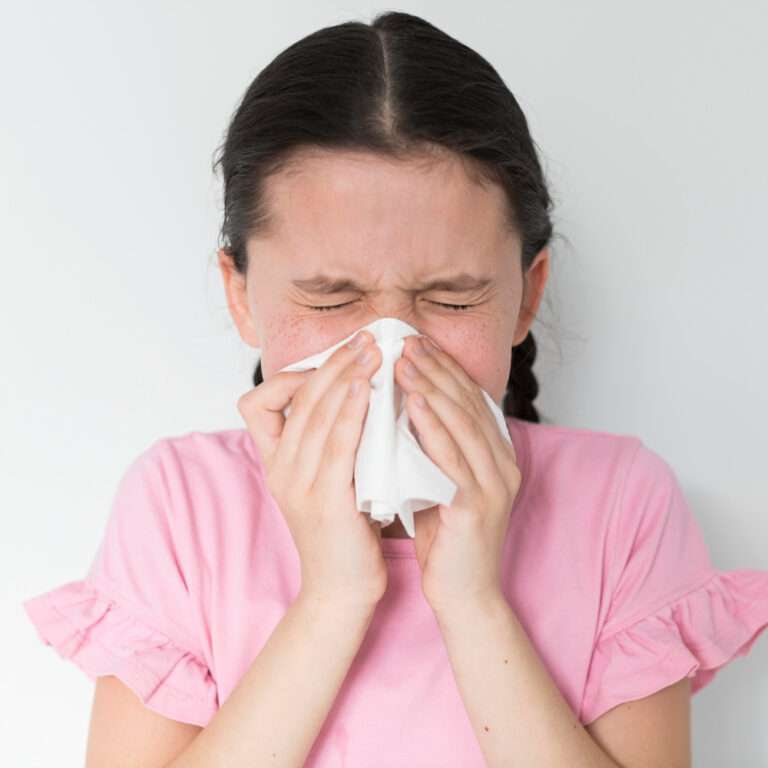
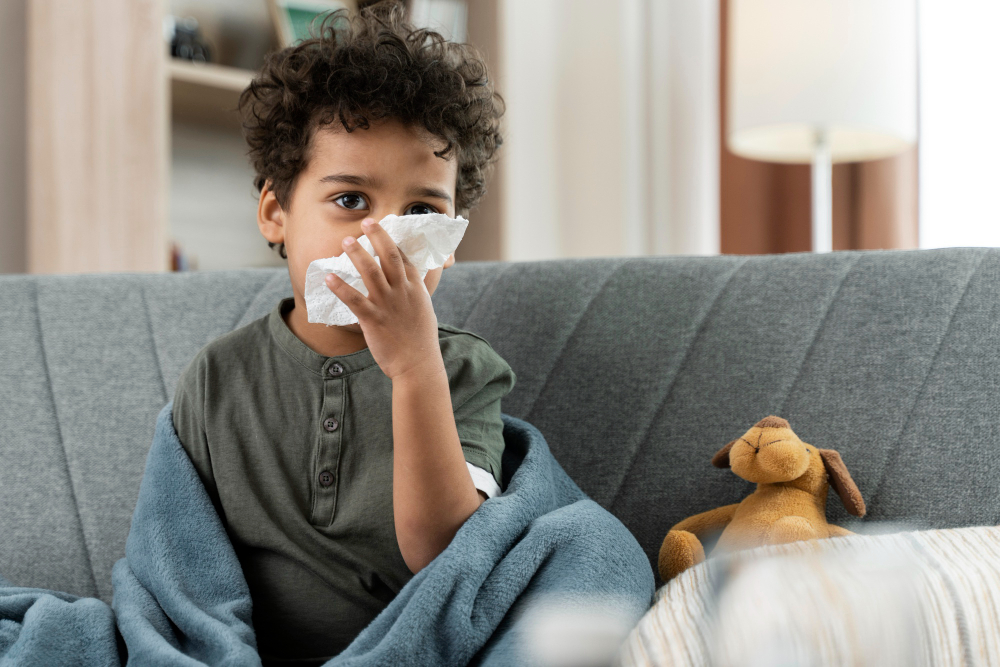
- Respiratory symptoms, similar to allergic reactions:
- Coughing
- Wheezing
- Shortness of breath
- Irritation in the eyes, nose, or throat
- Exacerbation of asthma or bronchitis symptoms.
- Increased susceptibility to respiratory infections.
- Long-term exposure can lead to more severe respiratory and heart diseases.
Management and Reduction:
- Stay Informed: Monitor air quality indices in your area, especially during days with high pollution or ozone alerts.
- Limit Exposure:
- Stay indoors during times when air quality is poor.
- When outside, avoid strenuous activities during peak pollution times.
- Create a Safe Indoor Environment:
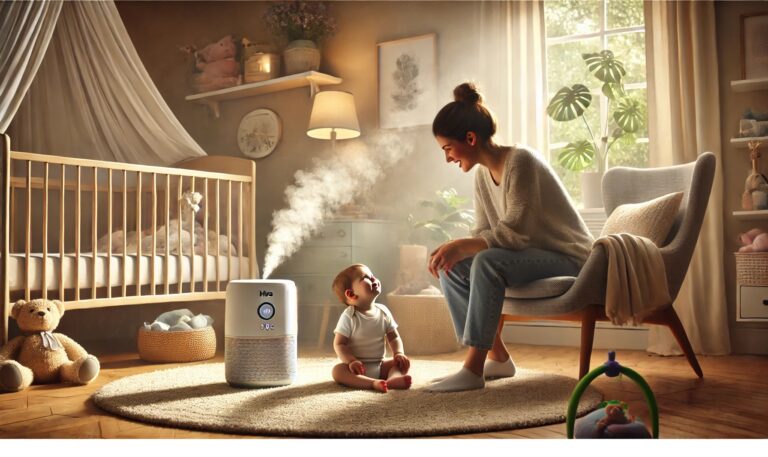
- Use air purifiers with HEPA filters to reduce indoor particulate matter.
- Ensure proper ventilation in the home.
- Reduce the use of products that emit VOCs indoors.
- Avoid tobacco smoking inside the home.
- Medications: For those with existing respiratory conditions, ensure that you take prescribed medications regularly and have rescue medications available.
- Consultation: Regularly consult with a healthcare professional if you have respiratory conditions. They might adjust medications based on pollutant exposure or recommend other interventions.
- Support Policies: Support and advocate for policies that reduce emissions and improve air quality in your area.
Conclusion: While not allergies in the traditional sense, sensitivities or reactions to pollutants are a real and growing health concern, especially for vulnerable populations like children, the elderly, and those with existing respiratory conditions. Being informed and taking precautions can help mitigate the risks associated with air pollutants. If symptoms persist or worsen, it’s crucial to seek medical advice.