


How can we accurately diagnose allergies in my child?
Diagnosing allergies in children involves a combination of medical history review, physical examination, and specific allergy tests. The process aims to identify the allergens causing reactions in your child and to formulate an effective management plan. Recognizing the signs and symptoms of allergies is usually the first step before pursuing formal testing. Here’s how allergies in children can be accurately diagnosed:
- Medical History: The first step involves a thorough review of your child’s medical history, including symptoms, timing, severity, and any patterns noticed. The doctor will ask about the family history of allergies or asthma, as these conditions can be hereditary.
- Physical Examination: A physical examination helps the doctor look for any physical signs of allergic reactions, such as rashes, swelling, or nasal congestion.
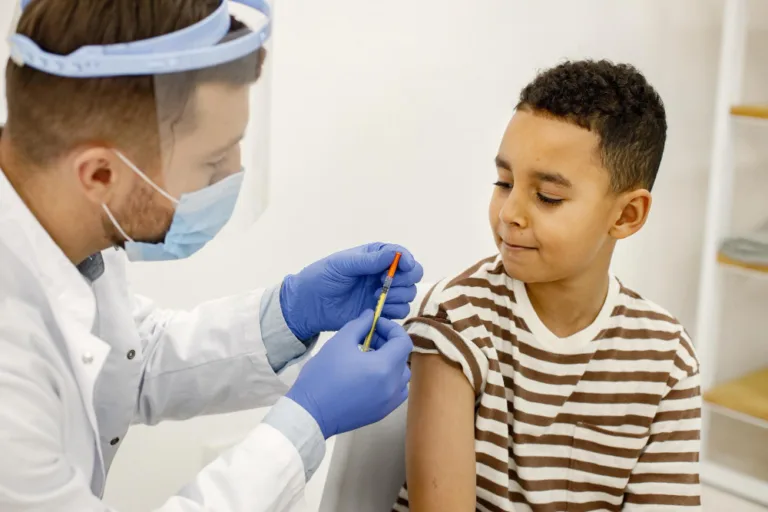
- Allergy Tests: If allergies are suspected, specific tests can be conducted to identify the allergens affecting your child. The most common allergy tests include:
- Skin Prick Test (SPT): Small amounts of suspected allergens are placed on the skin, typically on the forearm or back, and the skin is then lightly pricked. If your child is allergic to any of the substances, a raised bump (wheal) will appear at the site within 15-20 minutes.
- Blood Test (Specific IgE Antibody Test): This test measures the level of specific IgE antibodies to particular allergens in the blood. Higher levels indicate a sensitivity or allergy to that substance.
- Patch Test: Used mainly for diagnosing contact dermatitis, this test involves applying patches with different allergens to the skin, usually on the back, and checking for reactions after 48 hours and again at 72 or 96 hours.
- Elimination Diets and Food Challenges: If a food allergy is suspected, the doctor may recommend an elimination diet, where you remove the suspected food from your child’s diet for a period of time and then gradually reintroduce it to see if symptoms return. In some cases, a supervised food challenge in the doctor’s office may be necessary to confirm the allergy.
- Component-Resolved Diagnostics (CRD): For more complex cases, especially food allergies, CRD tests can help identify specific proteins within an allergen that your child is reacting to, providing a more detailed understanding of the allergy.
- Other Tests: Depending on the symptoms and the suspected allergens, other tests may be recommended, such as pulmonary function tests for asthma or a nasal smear test for allergic rhinitis.
Consulting with an allergist or pediatric allergist is crucial for accurately diagnosing and managing allergies in children, especially once you’ve identified the most common allergy triggers your child may be exposed to. They can provide expert advice, conduct necessary tests, and develop a personalized treatment plan to manage your child’s allergies effectively.