


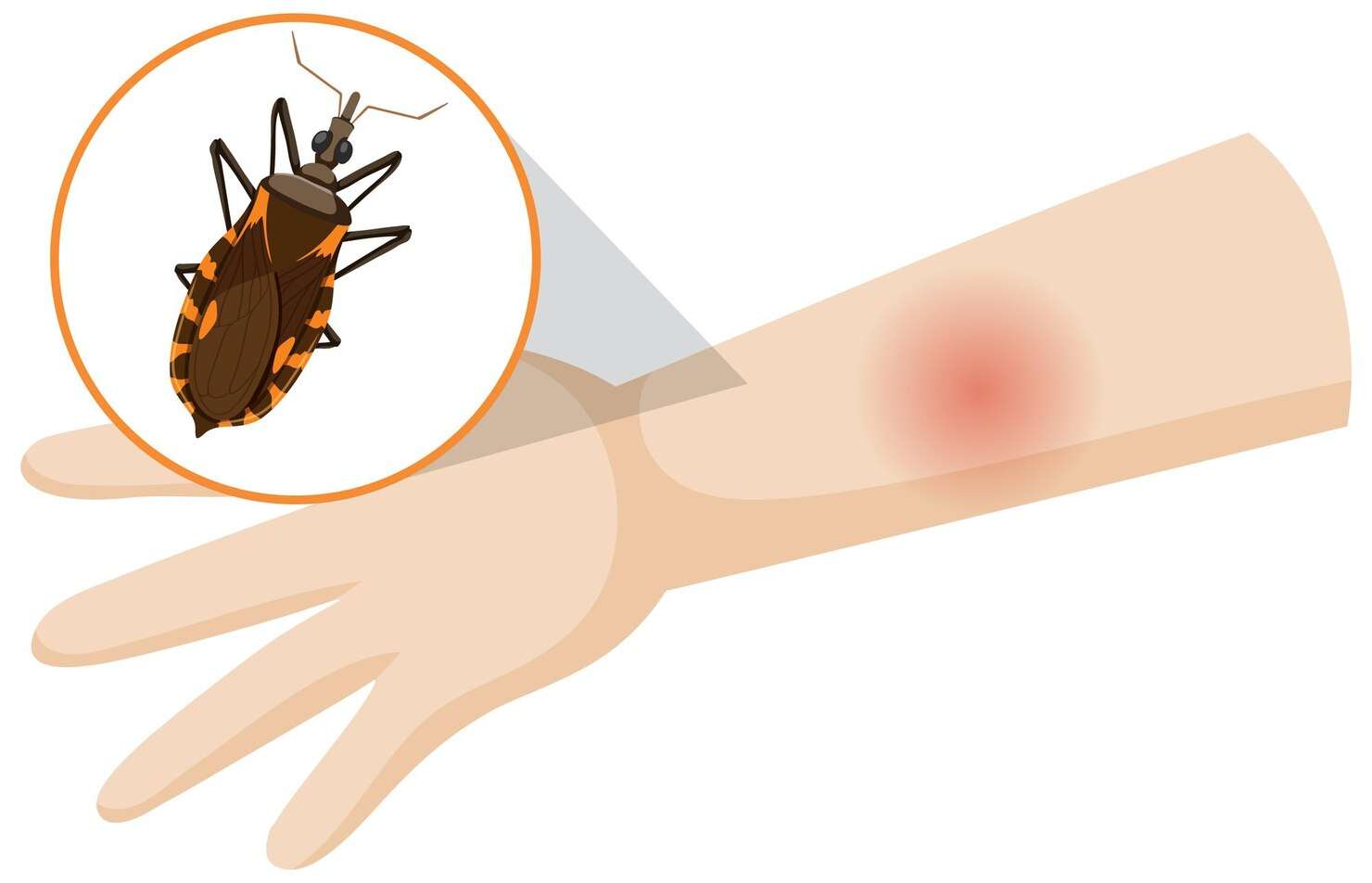
Lyme Disease in children
Lyme disease is an infectious disease caused by the bacterium Borrelia burgdorferi and transmitted to humans through the bite of infected black-legged ticks. Children can contract Lyme disease if bitten by an infected tick while playing outdoors or spending time in areas where ticks are prevalent. Here are key points to understand about Lyme disease in children:
Symptoms:
- Lyme disease symptoms in children can vary and often include:
- Rash: Many children with Lyme disease develop a circular, red rash that resembles a “bull’s-eye.” This rash, called erythema migrans, may appear at or near the tick bite site.
- Fever and chills.
- Fatigue.
- Headache.
- Muscle and joint aches.
- Swollen lymph nodes.
Diagnosis:
- Diagnosis of Lyme disease is primarily based on clinical symptoms, particularly the presence of the characteristic erythema migrans rash.
- Blood tests, such as enzyme immunoassays and Western blot tests, may be used to confirm the diagnosis by detecting antibodies to the Lyme disease bacterium.
Treatment:
- If diagnosed early, Lyme disease can usually be treated effectively with antibiotics, such as doxycycline or amoxicillin, for children. The choice of antibiotic depends on the child’s age and other factors.
- Treatment is generally recommended for two to three weeks.
- Prompt treatment helps prevent the infection from spreading and reduces the risk of complications.
Prevention:
- Preventing Lyme disease in children involves taking precautions when they are in tick-prone areas:
- Use insect repellent on exposed skin.
- Wear long-sleeved shirts and long pants, tucking pants into socks or shoes.
- Perform tick checks on children after outdoor activities.
- Remove ticks promptly with fine-tipped tweezers, grasping the tick as close to the skin as possible.
- Consider using permethrin-treated clothing for added protection.
- Be cautious in areas with tall grass and wooded areas where ticks are more prevalent.
Complications:
- When left untreated or inadequately treated, Lyme disease can lead to more serious complications, including joint inflammation, neurological issues, and cardiac abnormalities.
- In rare cases, children may develop post-Lyme disease syndrome, which can cause persistent symptoms like fatigue and joint pain even after treatment.
Geographic Distribution:
- Lyme disease is more common in certain regions, particularly in the northeastern, north-central, and western United States.
- Ticks carrying the Lyme disease bacterium are also found in parts of Europe and Asia.
Vaccination:
- There is no currently available vaccine for Lyme disease in the United States, but research on Lyme disease vaccines continues.
Consult a Healthcare Provider:
- If a child develops symptoms consistent with Lyme disease, it’s essential to consult a healthcare provider for proper evaluation and diagnosis.
Early detection and treatment are key to preventing the progression of Lyme disease in children. Educating children about tick prevention and conducting regular tick checks can help reduce the risk of infection. If a child develops symptoms or is bitten by a tick, seeking medical advice promptly is important for appropriate management.
Test Kit