

Holiday Toy Safety Guide: How to Choose Safe Gifts for Kids of Every Age
Quick answer: The safest holiday toys match your child’s age and abilities. Check the age label, keep small parts away from children under 3, be especially careful with button batteries and small high-powered magnets (both can cause serious internal injuries if swallowed), and always give helmets and pads with ride-on gifts like bikes and scooters.
Check the age label first
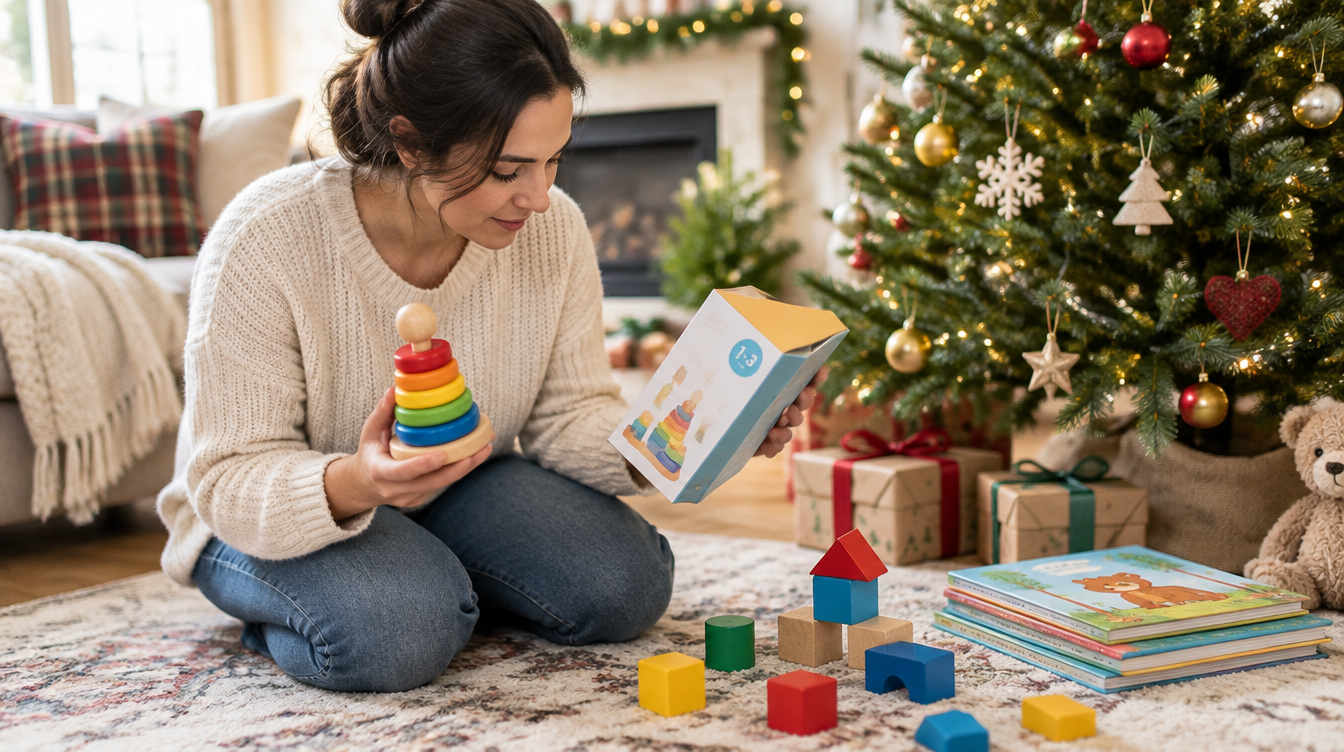
Age recommendations on toy packaging are about safety, not just skill. A toy labeled “3+” may contain small parts that are a choking hazard for babies and toddlers. If you have children of different ages at home, store older kids’ toys out of reach of younger siblings.
The small-parts test
If a toy or part can fit through a toilet paper tube, it’s small enough to be a choking hazard for a child under 3. Watch out for pieces that can break off, like eyes on stuffed animals, wheels, and caps.
Hidden hazards to watch for
- Button and coin batteries: Found in remote controls, musical cards, light-up toys, and key fobs. If swallowed, they can cause severe burns inside the body within hours. Choose toys with screw-secured battery compartments. If you suspect your child swallowed a battery, go to the emergency room immediately.
- Small, powerful magnets: If a child swallows more than one, they can attract each other through the intestines and cause serious injury. Keep magnet sets away from young children.
- Balloons: Uninflated or broken balloons are a leading cause of choking deaths in children. Keep them away from kids under 8.
- Cords and strings: Avoid long cords or straps on toys for babies and toddlers because of strangulation risk.
- Loud toys: Some toys are loud enough to affect hearing. Test the volume before giving it.
- Ride-on toys: Bikes, scooters, skateboards, and hoverboards should always come with a properly fitting helmet and any recommended safety gear.
- Chemistry sets and craft kits: Choose age-appropriate kits and supervise use.
After the gifts are open
- Throw away wrapping paper, ribbons, plastic packaging, and twist ties right away. They’re choking and suffocation hazards.
- Check for recalls on toys you receive at CPSC.gov/Recalls.
- Fill out product registration cards so manufacturers can contact you about recalls.
- Inspect older toys regularly for damage that could create sharp edges or loose small parts.
Gifts that support development
Some of the best toys are simple: blocks, books, puzzles, art supplies, and toys that encourage pretend play and time with caregivers. See our picks for educational toys for toddlers.
Frequently Asked Questions
How can I tell if a toy part is a choking hazard?
Use the toilet paper tube test. If a toy or any piece of it fits through a standard toilet paper tube, it’s small enough to be a choking hazard for a child under 3.
Why are button batteries so dangerous for kids?
If swallowed, a button or coin battery can cause severe burns inside the body within hours. Choose toys with screw-secured battery compartments, and go to the emergency room right away if you think your child swallowed one.
Are magnet toys safe for young children?
Small, powerful magnets are dangerous if swallowed. If a child swallows more than one, they can attract each other through the intestines and cause serious injury, so keep magnet sets away from young children.
Do toy age labels really matter?
Yes. Age labels reflect safety concerns such as small parts, not just skill level. A toy labeled 3+ may contain pieces that are a choking hazard for babies and toddlers.
How do I check if a toy has been recalled?
Search the U.S. Consumer Product Safety Commission’s recall list at CPSC.gov/Recalls, and fill out product registration cards so manufacturers can contact you about future recalls.
Related guides
Sources
If you think your child swallowed a battery, magnet, or other object, seek emergency care. For possible poisoning, call Poison Control at 1-800-222-1222. This article is for general information only.