

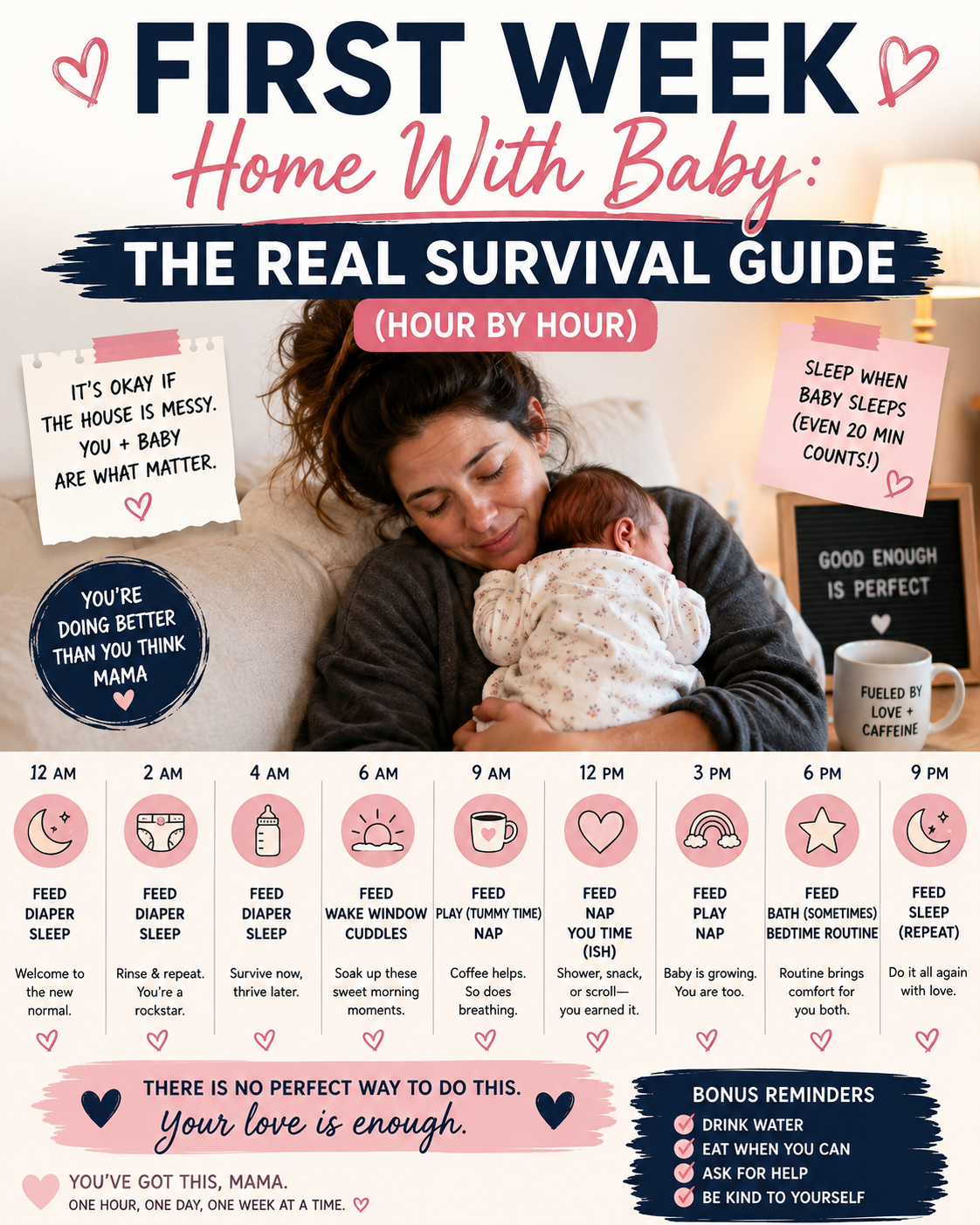
First Week Home With Baby: The Real Survival Guide (Hour by Hour)
Nobody hands you a manual when you leave the hospital. One minute a nurse is checking on you every hour, and the next you’re buckling a car seat for the first time and driving home at 10 miles under the speed limit, terrified of every pothole. The first week home with a newborn is a blur of joy, exhaustion, and a hundred tiny questions you didn’t know you’d have. Here’s what actually helps — hour by hour, day by day.
Day 1: Just Get Through It
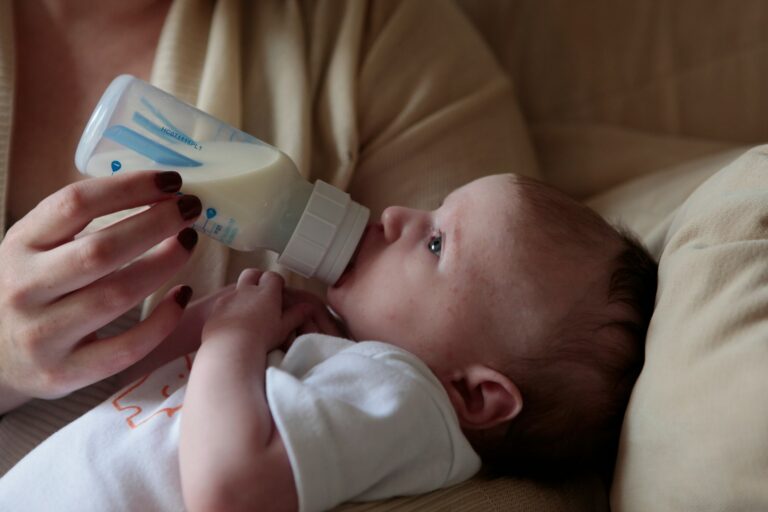
The goal of day one is survival, not perfection. Your baby will sleep a lot (newborns sleep 16-17 hours a day) but wake often to eat. Feed on demand — every 2-3 hours for most newborns — and don’t stress about a schedule yet.
Set up a “nest” near your bed or couch with everything within arm’s reach: diapers, wipes, burp cloths, a water bottle, and snacks. You will not want to get up more than necessary.
Quick tip: A well-stocked baby registry essentials kit before baby arrives saves you from 2 a.m. diaper-drawer panic. If you haven’t finished registering yet, it’s worth pulling together the basics now.
Days 2-3: The Cluster Feeding Storm
Around day two or three, many babies go through a period of near-constant feeding called cluster feeding. It feels alarming the first time, but it’s normal — it’s your baby’s way of building your milk supply or simply growing. Hydrate constantly, and don’t be afraid to ask a partner or visitor to bring you food and water while you feed.
This is also when engorgement can hit. Nursing pads, a good nursing pillow, and comfortable feeding-friendly clothing make a real difference here.
👉 Shop newborn feeding must-haves
Days 3-4: The Baby Blues (and When to Worry)
Hormone levels drop sharply around day three or four, and it’s extremely common to feel weepy, overwhelmed, or anxious — even when you’re happy about the baby. This is often called the “baby blues” and it typically passes within two weeks.
If sadness, anxiety, or intrusive thoughts feel intense, don’t wait it out alone. Talk to your OB, midwife, or your baby’s pediatrician — postpartum depression and anxiety are common and treatable, and asking for help is a sign of strength, not failure.
Days 4-5: Finding a Rhythm
By now you might notice tiny patterns emerging — a fussier stretch in the evening, a longer nap in the morning. Don’t force a schedule yet; newborns aren’t ready for one. Instead, focus on the “eat, wake, sleep” cycle to help you anticipate what your baby needs.
This is also a good time to double check your safe sleep setup: firm mattress, fitted sheet, nothing else in the crib or bassinet. A dependable baby monitor gives you the confidence to actually rest when the baby sleeps.
👉 Check out top-rated nursery safety essentials
Days 5-7: Visitors, Boundaries, and Healing
Everyone wants to meet the baby, but your body is still healing and your baby’s immune system is brand new. It’s okay to limit visitors, ask people to wash their hands, and set a time limit on visits. “No visitors this week” is a complete sentence.
Keep an eye on your own recovery too — track bleeding, pain, and any fever, and call your provider with concerns rather than assuming it’s normal.
Newborn Warning Signs — Know These By Heart
- Fever of 100.4°F (38°C) or higher in a baby under 3 months — call your pediatrician immediately
- Fewer than 6 wet diapers a day after day 5
- Yellowing skin or eyes that seems to be getting worse (jaundice)
- Extreme lethargy or difficulty waking for feeds
- Labored or rapid breathing
When in doubt, call your pediatrician’s after-hours line. That’s what it’s there for.
The Non-Negotiable Newborn Essentials Checklist
If you’re still filling gaps in your registry or realizing what you actually need after baby’s arrival, focus on these categories first:
- Diapers and wipes (more than you think — newborns go through 8-12 diapers a day)
- A safe sleep space (bassinet or crib with a firm, fitted mattress)
- Feeding supplies (bottles, nursing pillow, burp cloths)
- A reliable baby monitor
- Postpartum recovery items for you, not just baby
👉 See the full first-week baby essentials list
The One Thing Every New Parent Needs to Hear
You are not behind. You are not doing it wrong. A baby who is fed, held, and loved is a baby who is thriving, even if the laundry is a disaster and you’re wearing the same shirt as yesterday. The first week is the hardest and the shortest — it gets easier from here.
Affiliate disclosure: This article contains affiliate links. If you purchase through these links, we may earn a small commission at no extra cost to you. We only recommend products we believe genuinely help new parents.