


Mold allergies
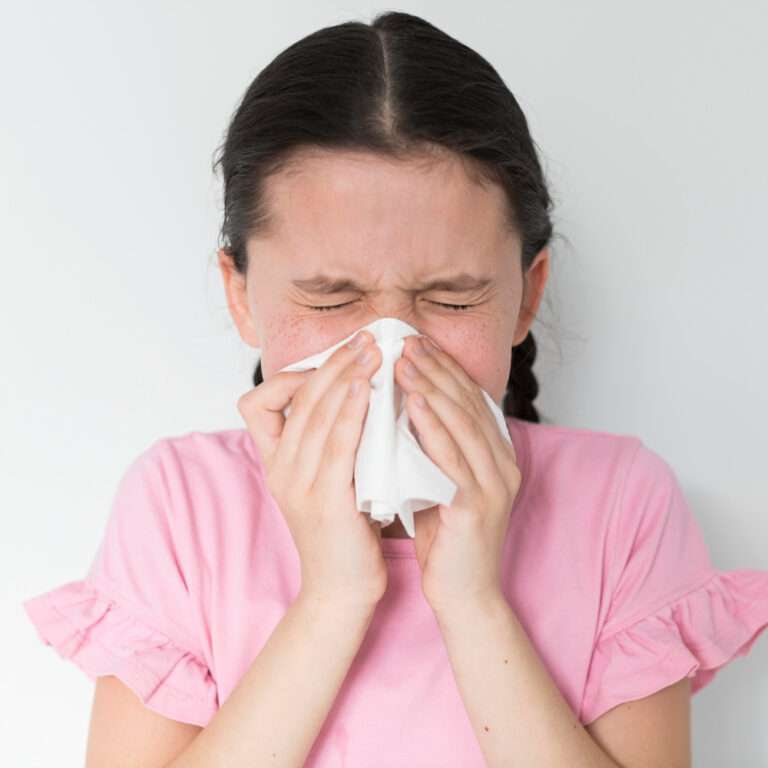
Mold allergies are caused by an immune system reaction to mold spores, which are tiny, airborne particles. These allergies can cause symptoms similar to other respiratory allergies, including sneezing, itching, runny nose, congestion, and dry, scaling skin. Mold spores are present in both indoor and outdoor environments, making it a year-round allergen for many people, although concentrations can vary depending on the season and the weather.
Understanding Mold
Mold is a type of fungus that grows in moist environments. It reproduces by releasing spores that float through the air until they find a suitable moist surface to grow on. Molds can grow on almost any substance, as long as moisture, oxygen, and an organic source are present. Common indoor molds include Cladosporium, Penicillium, Alternaria, and Aspergillus.
Why Mold Causes Allergies
For people with mold allergies, the immune system mistakenly identifies mold spores as dangerous invaders and releases antibodies to attack them. This immune response triggers the release of chemicals such as histamine, which lead to allergy symptoms. The severity of mold allergy symptoms can vary widely from person to person and can range from mild to severe.
Common Symptoms of Mold Allergies
- Nasal congestion: Blocked nasal passages are common.
- Runny nose: An increase in mucus production.
- Sneezing: Often persistent and frequent.
- Itchy, watery eyes: This can also include redness.
- Coughing and wheezing: Respiratory reactions due to inhaling mold spores.
- Skin irritation: Mold exposure can cause rashes or hives in some people.
High-Risk Environments for Mold Growth
- Damp areas: Basements, bathrooms, and kitchens are common mold growth areas due to higher moisture levels.
- Outdoors: Compost piles, cut grass, and wooded areas often have higher concentrations of mold.
- In the home: Poor ventilation, leaking pipes, and water damage can create ideal environments for mold growth.
Diagnosing Mold Allergies
To diagnose a mold allergy, healthcare providers typically review the patient’s medical history and symptoms. Skin prick tests or blood tests can help confirm the allergy by measuring the immune system’s response to various molds.
Managing and Treating Mold Allergies
- Avoidance: The most effective way to manage mold allergies is to avoid or minimize exposure to mold spores as much as possible.
- Reduce indoor humidity: Keep indoor humidity below 50% to inhibit mold growth.
- Fix leaks: Repairing leaks in roofs, walls, and pipes can help prevent mold formation.
- Clean moldy surfaces: Use a mold-killing solution on hard surfaces, and consider professional remediation for extensive mold.
- Air purifiers: HEPA filters can capture mold spores from indoor air.
- Medications: Antihistamines, nasal corticosteroids, and decongestants can help relieve symptoms.
- Allergy shots (immunotherapy): This treatment involves regular injections of tiny amounts of allergens to build up tolerance over time.
Conclusion
Living with mold allergies requires ongoing management to reduce exposure and alleviate symptoms. By understanding the environments that foster mold growth and taking steps to control indoor humidity and mold levels, individuals with mold allergies can lead healthier and more comfortable lives. If you suspect you or your child has a mold allergy, consult with an allergist or healthcare provider to develop an effective management plan.