

Allergies to Insect Stings
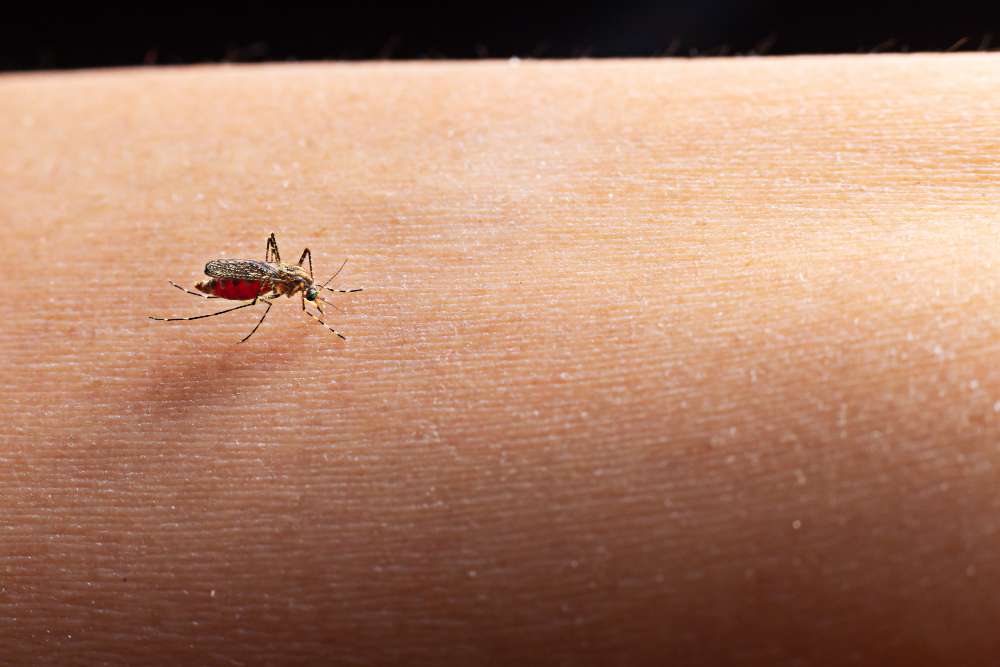
Allergic reactions to insect stings are relatively common and can range from mild to severe, with some reactions even being life-threatening. The insects most commonly responsible for these allergic reactions include bees, wasps, hornets, yellow jackets, and fire ants.
Symptoms:
- Local reactions: These are common and can involve:
- Pain
- Redness
- Swelling at the sting site
- Large local reactions: This involves larger areas of swelling that can extend over a joint, for example, a sting on the hand might result in swelling of the entire arm. Symptoms peak at about 48 hours and can last up to a week.
- Systemic allergic reactions (anaphylaxis): This is a severe, whole-body allergic reaction and can include:
- Difficulty breathing or shortness of breath
- Swelling of the face, lips, or throat
- Hives or itching in areas other than the sting site
- Rapid or irregular pulse
- Nausea or vomiting
- Diarrhea
- Dizziness or fainting
- Anaphylactic shock, which is life-threatening and requires immediate medical attention
Diagnosis: If you believe you might be allergic to insect stings:
- Consult an allergist. They can conduct a detailed history, skin tests, and sometimes blood tests to confirm an allergy.
- It’s also useful to note which insect caused the sting, as this can help in management and prevention.
Treatment:
- Mild reactions: Over-the-counter painkillers, antihistamines, or topical corticosteroids can be used to alleviate pain, itching, and swelling.
- Severe reactions:
- Call emergency services immediately if someone exhibits signs of anaphylaxis.
- If the person has a known severe allergy and carries an epinephrine auto-injector (like an EpiPen), it should be administered as soon as possible.
- Allergen immunotherapy: For individuals with severe allergies, allergen immunotherapy (allergy shots) might be recommended. This involves regular injections with increasing amounts of the allergens to reduce sensitivity over time.
Prevention:
- Avoid areas where these insects nest.
- Wear closed-toe shoes and avoid bright-colored clothing when outdoors.
- Use caution with food and drinks outdoors, as they can attract insects.
- If you have a known severe allergy, always carry an epinephrine auto-injector.
- Consider wearing a medical identification bracelet that indicates your allergy.
Conclusion: While many people might have mild reactions to insect stings, for those with severe allergies, a sting can be life-threatening. Recognizing the signs of a severe allergic reaction and seeking immediate medical attention can be lifesaving. Consulting an allergist can provide valuable insights into management and potential preventive strategies.