


What happens if you leave a child’s high fever untreated?
Leaving a child’s high fever untreated can lead to a range of outcomes, from mild, self-resolving conditions to severe, life-threatening complications. We will explore the implications, potential risks, and the importance of managing high fever in children.
Understanding Fever in Children
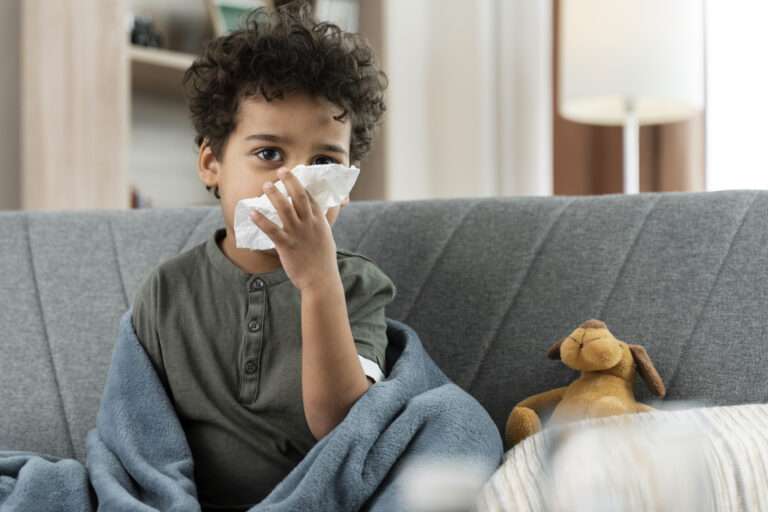
Fever is a common response to infection or illness in children, representing the body’s natural defense mechanism to fight off pathogens. While it can be alarming for parents and caregivers, it’s important to understand that fever itself is not an illness but a symptom indicating that the body is responding to a health challenge.
The Risks of Untreated High Fever
- Dehydration: Fever increases the body’s metabolism and can lead to increased fluid loss, risking dehydration. Symptoms of dehydration include dry mouth, decreased urination, lethargy, and in severe cases, sunken eyes and diminished skin elasticity.
- Febrile Seizures: High fevers, especially those that spike quickly, can trigger febrile seizures in some children. While these seizures are generally short-lived and rarely cause long-term health issues, they can be terrifying to witness and may require medical evaluation.
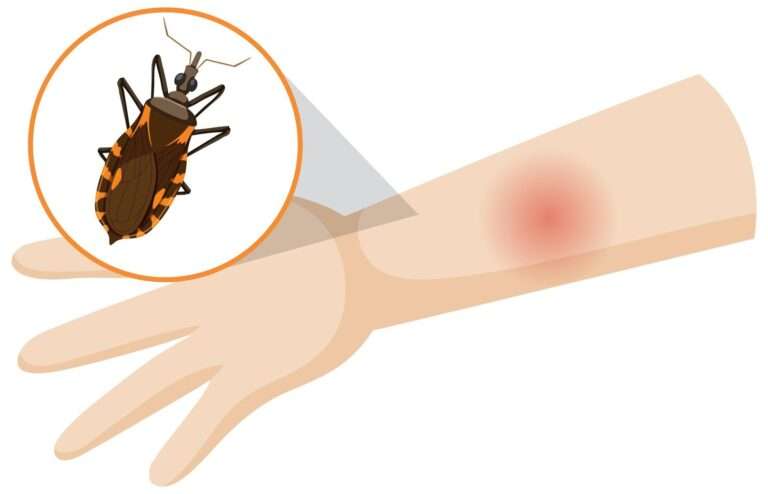
- Worsening of Underlying Illness: Fever can be a symptom of a variety of infections, including viral, bacterial, and parasitic diseases. Failure to address the underlying cause of the fever can lead to the progression of these illnesses, some of which may have serious or even life-threatening consequences.
- Heat Exhaustion and Heat Stroke: In very rare cases, an extremely high fever, if combined with environmental factors and dehydration, could lead to heat-related illnesses such as heat exhaustion or heat stroke, which require emergency medical treatment.
- Risk of Serious Complications: Certain conditions, such as untreated bacterial infections, can lead to serious complications if the fever and the underlying illness are not appropriately managed. Examples include pneumonia, sepsis, meningitis, and other potentially life-threatening conditions.
The Importance of Medical Evaluation
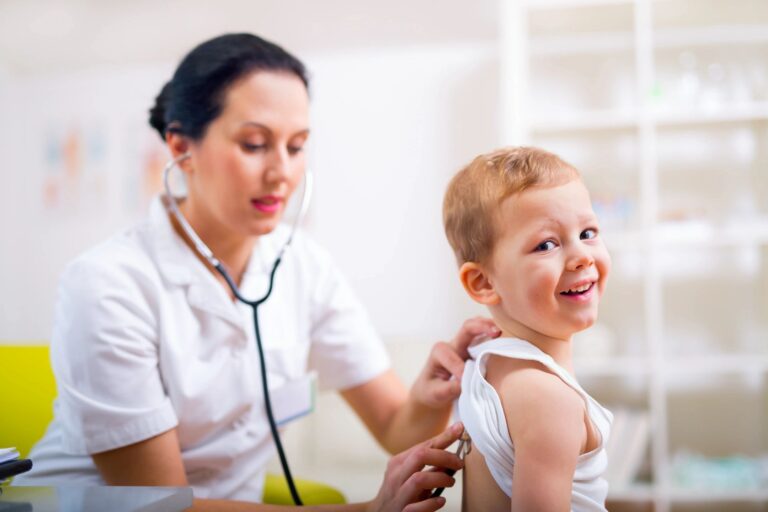
It’s crucial to seek medical evaluation for a child with a high fever to determine the cause and appropriate treatment. A healthcare provider can assess the child’s symptoms, perform diagnostic tests if necessary, and recommend treatment strategies, which may include medication to lower the fever, antibiotics for bacterial infections, or other specific treatments based on the diagnosis.
Managing Fever at Home
While awaiting medical advice or for minor illnesses as advised by a healthcare provider, there are several strategies to manage a child’s fever at home:
- Hydration: Encourage the child to drink plenty of fluids to prevent dehydration.
- Rest: Ensure the child gets ample rest to aid the body’s healing process.
- Fever-reducing Medications: As recommended by a healthcare provider, medications such as acetaminophen (Tylenol) or ibuprofen (Advil, Motrin) can be used to reduce fever and alleviate discomfort.
- Cooling Measures: Dressing the child in lightweight clothing and providing a lukewarm bath can help lower body temperature. Avoid cold baths or alcohol rubs, as these can cause shivering, which may raise body temperature.
When to Seek Immediate Medical Attention
Immediate medical attention should be sought if the child exhibits signs of a serious condition or if the fever is accompanied by any of the following symptoms:
- Difficulty breathing or rapid breathing
- Rash or purple spots that look like bruises on the skin (which can be a sign of serious bacterial infections)
- Severe headache or neck stiffness
- Inability to keep fluids down or signs of dehydration
- Persistent vomiting or diarrhea
- Extreme irritability, lethargy, or difficulty waking up
- Fever above 104°F (40°C) or a fever that persists for more than 72 hours in older children
Conclusion
While fever is a common and often benign symptom in children, high fevers should not be left untreated due to the potential for serious complications. Understanding when and how to manage fever at home, and recognizing the signs that require medical attention, are crucial aspects of caring for a sick child. By taking appropriate action in response to a child’s fever, caregivers can help mitigate risks and ensure the child receives the necessary care to recover from their illness.
This discussion underscores the importance of a proactive approach to fever management in children, emphasizing the balance between home care and the need for medical evaluation. Ensuring children receive timely and appropriate care not only addresses the immediate discomfort associated with fever but also guards against the potential for more serious health issue