

Headaches in children
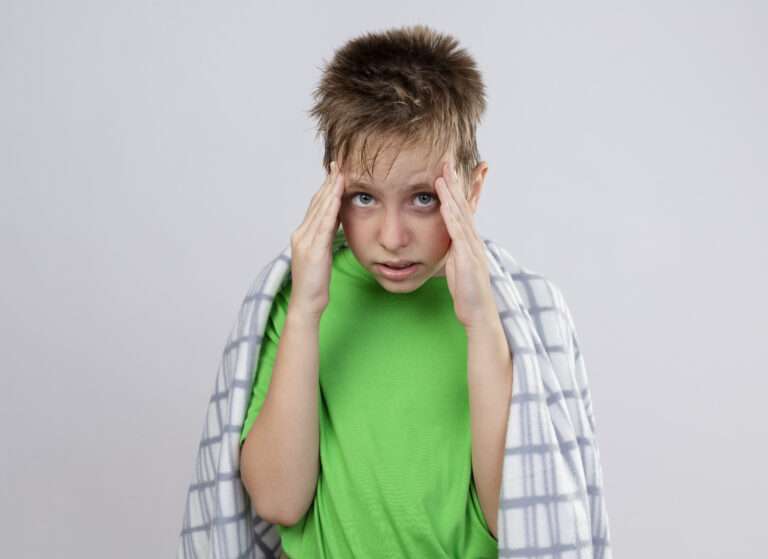
Headaches and migraines can affect children just as they do adults, although the presentation and management may vary. Here’s a comprehensive look at headaches and migraines in children:
- Types of Headaches:
- Tension Headaches: These are the most common type of headache in children. They typically cause a dull, aching pain on both sides of the head and may be triggered by stress, lack of sleep, or muscle tension.
- Migraines: Migraines are less common but can occur in children. Pediatric migraines often have specific characteristics, including a throbbing or pulsating pain, often on one side of the head, and can be accompanied by other symptoms like nausea, vomiting, and sensitivity to light and sound.
- Cluster Headaches: These are rare in children and typically occur in adolescents. Cluster headaches cause severe, one-sided pain, often around the eye, and can last for a short period but occur in clusters over a few weeks or months.
- Secondary Headaches: These are headaches caused by an underlying medical condition or injury, such as a sinus infection, head injury, or a problem in the neck or spine.
- Causes and Triggers:
- Migraine Triggers: Migraines in children can be triggered by various factors, including certain foods (e.g., chocolate, caffeine), dehydration, changes in sleep patterns, stress, hormonal changes, and sensory stimuli (e.g., bright lights, loud noises).
- Tension Headache Causes: Tension headaches are often related to stress, anxiety, poor posture, or muscle tension.
- Diagnosis: Diagnosing headaches in children involves a thorough medical history, physical examination, and discussions with both the child and their parents or caregivers. In some cases, healthcare providers may order imaging tests or other investigations to rule out underlying causes.
- Treatment and Management:
- Lifestyle Changes: Encouraging a healthy lifestyle with regular sleep patterns, balanced nutrition, and stress management can help reduce the frequency and severity of headaches.
- Medications: Depending on the type and severity of headaches, healthcare providers may recommend over-the-counter pain relievers (e.g., acetaminophen or ibuprofen) or prescription medications. For migraines, specific migraine medications may be prescribed.
- Identifying Triggers: Identifying and avoiding headache triggers can be an essential part of managing migraines, especially in children.
- Biofeedback and Relaxation Techniques: Learning relaxation techniques and biofeedback can help children manage tension and stress, which may reduce the frequency of tension headaches.
- Prevention: In some cases, healthcare providers may recommend preventive medications for children who have frequent or severe headaches, especially migraines.
- Specialized Care: If headaches are severe, frequent, or significantly impact a child’s daily life, it’s essential to seek care from a pediatric neurologist or headache specialist. These experts can provide more specialized evaluation and treatment options.
- Monitoring: Keeping a headache diary can help track when headaches occur, their duration, and potential triggers. This information can be valuable in diagnosing and managing headaches in children.
It’s important for parents and caregivers to take children’s headaches seriously, especially if they are recurrent, severe, or associated with other concerning symptoms. Seeking timely medical evaluation and guidance is essential for proper diagnosis and management, as well as ensuring the child’s overall well-being.