


Neurological infections in children
Neurological infections in children can encompass a wide range of conditions that affect the nervous system, including the brain and spinal cord. These infections can be caused by various pathogens, including bacteria, viruses, parasites, and fungi. Here are some common neurological infections in children:
- Meningitis:
- Definition: Meningitis is the inflammation of the meninges, which are the membranes that cover the brain and spinal cord.
- Causes: Meningitis can be caused by bacterial infections (e.g., Streptococcus pneumoniae, Neisseria meningitidis), viral infections (e.g., enteroviruses, herpes simplex virus), and, less commonly, fungal or parasitic infections.
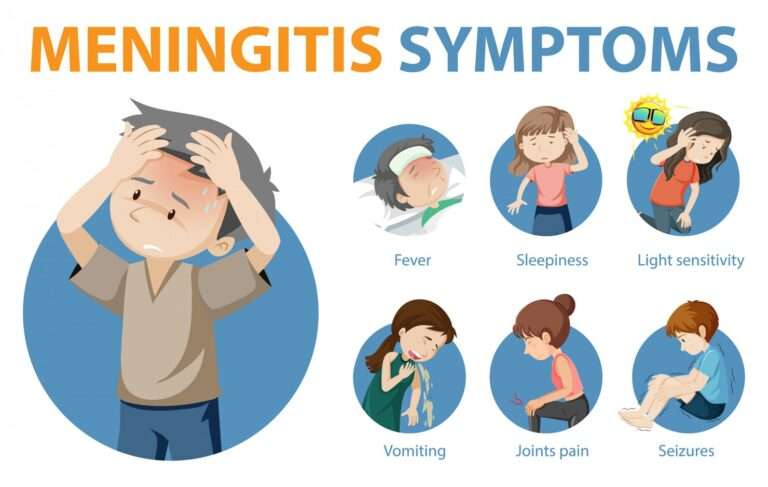
- Symptoms: Common symptoms include fever, severe headache, neck stiffness, and altered mental status. Meningitis can be life-threatening and requires immediate medical attention.
- Encephalitis:
- Definition: Encephalitis is inflammation of the brain tissue itself.
- Causes: Encephalitis is often viral, with viruses like herpes simplex virus, West Nile virus, and enteroviruses being common culprits. Bacterial and fungal infections can also lead to encephalitis.
- Symptoms: Symptoms may include fever, headache, confusion, seizures, and altered behavior. Severe cases can result in neurological deficits.
- Viral Infections:
- Examples: Viral infections like mumps, measles, rubella, and varicella (chickenpox) can lead to neurological complications, including encephalitis and aseptic meningitis.
- Tuberculosis (TB) Meningitis:
- Definition: TB meningitis is a form of meningitis caused by Mycobacterium tuberculosis.
- Symptoms: Children with TB meningitis may experience symptoms similar to other forms of bacterial meningitis, including fever, headache, and neck stiffness.
- Brain Abscess:
- Definition: A brain abscess is a localized collection of pus within the brain.
- Causes: Brain abscesses are often a result of bacterial infections, which can occur through direct extension from nearby infections or through hematogenous spread.
- Symptoms: Brain abscesses can lead to severe headaches, focal neurological deficits, and altered mental status.
- Neurocysticercosis:
- Definition: Neurocysticercosis is a parasitic infection of the brain caused by the larvae of the pork tapeworm, Taenia solium.
- Symptoms: Neurocysticercosis can lead to seizures, headaches, and neurological deficits, depending on the location of the cysts in the brain.
- Lyme Disease:
- Definition: Lyme disease is caused by the spirochete bacterium Borrelia burgdorferi and can result in neurological complications, such as meningitis and facial nerve palsy (Bell’s palsy).
- Congenital Infections:
- Examples: Congenital infections like congenital cytomegalovirus (CMV) and congenital toxoplasmosis can affect the developing nervous system of infants and lead to developmental delays and neurological problems.
The management of neurological infections in children involves accurate diagnosis, treatment with antimicrobial medications (e.g., antibiotics, antivirals), and supportive care to manage symptoms and prevent complications. Timely medical attention is crucial to prevent severe consequences associated with these infections. Pediatricians and pediatric infectious disease specialists typically play a central role in the evaluation and management of children with neurological infections.