


Concussions and traumatic brain injuries in children
Concussions and traumatic brain injuries (TBIs) are significant concerns in pediatric health, and they can result from various causes, including sports injuries, falls, accidents, and physical abuse. Here’s an overview of concussions and traumatic brain injuries in children:
Concussion:
- Definition: A concussion is a mild traumatic brain injury that occurs when there is a sudden and forceful movement of the brain within the skull, often due to a blow or impact to the head.
- Causes: Concussions can happen during various activities, including sports, recreational activities, falls, and motor vehicle accidents.
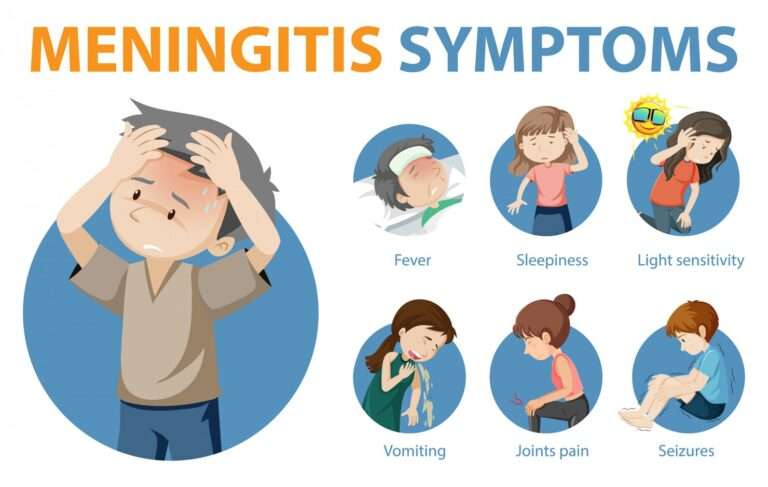
- Symptoms: Symptoms of a concussion can vary but may include headache, dizziness, confusion, memory problems, nausea, vomiting, sensitivity to light and noise, and changes in mood or behavior. It’s essential to recognize that not all concussions lead to loss of consciousness.
- Diagnosis: Diagnosis is typically based on a thorough evaluation by a healthcare provider, including a neurological examination and assessment of symptoms. Imaging tests, such as CT scans or MRIs, may be performed in some cases.
- Management:
- Rest: Physical and cognitive rest is a crucial part of concussion management to allow the brain to heal.
- Monitoring: Close observation for worsening symptoms is important, and healthcare providers may recommend follow-up appointments.
- Gradual Return to Activities: A stepwise return to school, sports, and other activities is usually recommended once symptoms improve. Avoidance of further head injury during recovery is essential.
- Prevention: Proper safety measures, including wearing helmets during sports and recreational activities, can help reduce the risk of concussions in children.
Traumatic Brain Injury (TBI):
- Definition: TBIs encompass a broader range of head injuries, which can vary in severity from mild to severe. These injuries result from trauma or a blow to the head, leading to damage to brain tissue.
- Causes: TBIs can occur due to motor vehicle accidents, falls, sports injuries, physical abuse, or other traumatic events.
- Symptoms: TBI symptoms depend on the severity of the injury and may include headaches, confusion, memory problems, loss of consciousness, seizures, changes in behavior or personality, and motor impairments.
- Diagnosis: Diagnosis involves a comprehensive evaluation, which may include neurological assessments, imaging studies (such as CT scans or MRIs), and other diagnostic tests.
- Management:
- Mild TBI: Mild TBIs may require rest, symptom management, and close monitoring. A gradual return to normal activities may be recommended.
- Moderate to Severe TBI: These cases often require hospitalization, neurosurgical interventions, and intensive rehabilitation, including physical therapy, occupational therapy, and speech therapy.
- Prevention: Preventing TBIs in children involves safety measures, such as using child safety seats, helmets, and proper childproofing at home.
It’s essential for parents, caregivers, educators, and coaches to be aware of the signs and symptoms of concussions and TBIs in children. Early recognition and appropriate management are critical to ensure a child’s well-being and prevent potential long-term complications. Seeking medical attention for any head injury is essential to assess the severity of the injury and determine the appropriate course of action.