


First Pediatrician Visit Checklist: What Happens, What to Bring & Questions to Ask
Quick answer: At your baby’s first pediatrician visit, the doctor reviews your pregnancy, birth, feeding, sleep and diapers, weighs and measures your baby, and examines the heart, lungs, hips, eyes, mouth, skin and reflexes. Bring your hospital paperwork, feeding notes, any medications and a written list of questions. Ask about safe sleep, vitamin D, vaccines, feeding, crying and when to call for help. Most babies have this visit within a few days of coming home from the hospital.
Taking your baby to the pediatrician for the first time can feel like a big step, especially when you are running on very little sleep. The good news: this visit follows a predictable pattern, and no question is too small. This checklist walks you through what usually happens, what to pack, and what to ask, so you leave feeling supported and confident as a parent.
Want the full background on timing and scheduling? Read our complete guide: First Pediatrician Visit: What to Expect, When to Schedule It & What to Bring.
When Is a Baby’s First Pediatrician Visit?
The American Academy of Pediatrics (AAP) recommends that newborns be seen by a pediatrician within 48 to 72 hours after leaving the hospital, which usually means when the baby is about 3 to 5 days old. Babies born at home, born early, or who have jaundice or feeding concerns may be asked to come in sooner. If your hospital did not schedule this visit for you, call your pediatrician’s office as soon as you are home.
What Happens at the First Pediatrician Visit
1. A review of your baby’s history
The pediatrician will start by talking with you. Expect questions about:
- Pregnancy: any complications, prenatal test results and medications.
- Birth: type of delivery, gestational age, birth weight and anything that happened in the hospital.
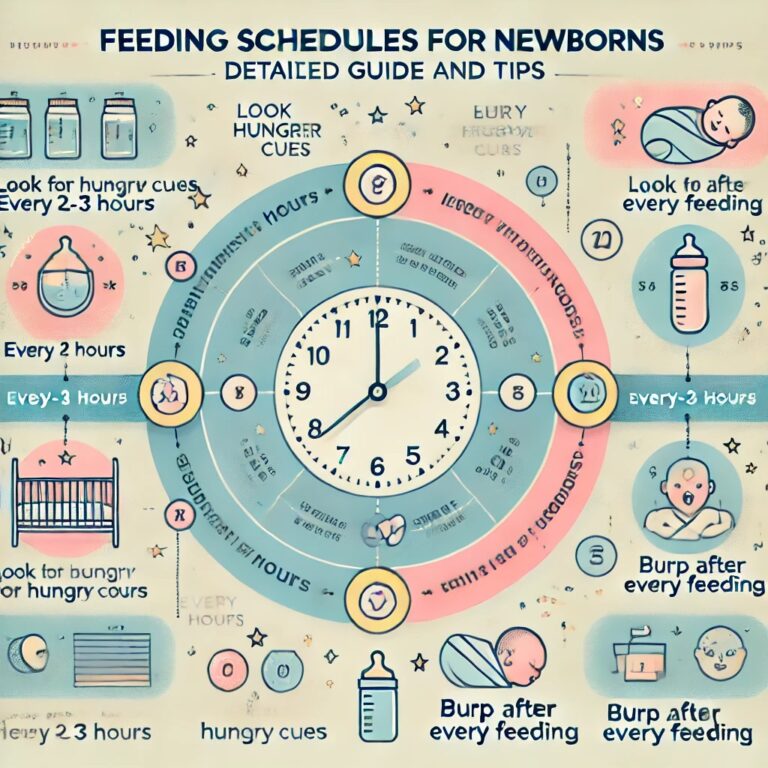
- Feeding: breast milk, formula or both, how often, and how long feeds take.
- Sleep: where and how your baby is sleeping.
- Diapers: how many wet and dirty diapers per day, and what the stool looks like.
- Your concerns: anything that worries you, however small.
2. Weight and measurements
Your baby will be weighed and measured for length and head circumference. It is normal for newborns to lose some weight in the first days of life. Most babies regain their birth weight by about 10 to 14 days old, and your pediatrician will track this closely.
3. A head-to-toe physical exam
The doctor will examine your baby from head to toe, including:
- Heart and lungs: listening for heart murmurs and normal breathing.
- Hips: gently moving the legs to check for hip dysplasia.
- Eyes: checking the red reflex and eye movement.
- Mouth: looking at the palate and checking for tongue-tie that may affect feeding.
- Skin: checking for jaundice (yellowing), rashes and birthmarks.
- Reflexes: testing newborn reflexes such as rooting, sucking, grasping and the startle (Moro) reflex.
- Umbilical cord, genitals and soft spots: making sure everything is healing and developing normally.
4. Follow-up on hospital screenings
Your pediatrician may review newborn screening blood test results, the hearing screen and any jaundice (bilirubin) checks done in the hospital, and let you know if anything needs to be repeated.
First Pediatrician Visit Checklist: What to Bring
- ☐ Hospital discharge paperwork and newborn screening results
- ☐ Your insurance card and your baby’s insurance information (or proof you have applied)
- ☐ Feeding notes: times, amounts or minutes per feed
- ☐ Diaper log: number of wet and dirty diapers per day
- ☐ A list of any medications or supplements (yours if breastfeeding, and your baby’s)
- ☐ Your vaccine record from the hospital (most babies receive their first hepatitis B dose at birth)
- ☐ Your list of questions, saved on your phone
- ☐ Diapers, wipes, a change of clothes and a blanket
- ☐ A bottle or feeding supplies, in case your baby gets hungry
Tip: Create your question list on your phone before you go and add to it any time something comes up at 3 a.m. It is easy to forget questions once you are in the exam room.
Questions to Ask at Your Baby’s First Pediatrician Visit
Safe sleep
- How should my baby sleep safely at night and during naps?
- Is it safe to swaddle, and when should I stop?
What pediatricians usually recommend: Place your baby on their back, on a firm, flat surface in their own crib or bassinet, with no pillows, bumpers, blankets or toys. Room-sharing without bed-sharing is recommended.
Vitamin D
- Does my baby need a vitamin D supplement?
What pediatricians usually recommend: The AAP recommends 400 IU of vitamin D per day for babies who are breastfed or partially breastfed, starting in the first few days of life. Ask your pediatrician what is right if your baby is formula-fed.
Vaccines
- Which vaccines did my baby get in the hospital?
- What is the schedule for upcoming vaccines, and when is the next visit?
Feeding
- How often and how much should my baby be eating?
- How do I know my baby is getting enough?
- Where can I get breastfeeding or lactation support?
Crying
- How much crying is normal?
- What can I do to soothe my baby, and what is colic?
When to call for help
- What symptoms mean I should call the office right away?
- What is your after-hours phone number?
Important: For babies under 3 months, a rectal temperature of 100.4°F (38°C) or higher is a medical emergency. Call your pediatrician immediately or go to the emergency room. Also call right away if your baby has trouble breathing, is very hard to wake, is not feeding, has fewer wet diapers than expected, or looks increasingly yellow.
Frequently Asked Questions
How long does the first pediatrician visit take?
Most first newborn visits take about 30 to 60 minutes, including paperwork, the exam and time for your questions. Arrive 15 minutes early if you are a new patient.
Do babies get shots at the first pediatrician visit?
Usually not. Most babies receive their first hepatitis B vaccine in the hospital, and the next round of vaccines is typically given around 1 to 2 months of age. Your pediatrician will review your baby’s schedule with you.
Should both parents go to the first pediatrician visit?
If possible, yes. A second adult can help carry gear, hold the baby, take notes and remember what the doctor said. It is also a chance for both parents to ask questions.
What if I forget to ask something?
That is completely normal. Most pediatric offices have a nurse line or patient portal for follow-up questions. You will also see your pediatrician again soon, often around 2 weeks of age.
Is it normal to feel nervous before the first visit?
Absolutely. This appointment is not only about checking your baby’s health. It is also about helping you feel supported and confident as a parent. Your pediatrician expects questions, and no question is too small.
Key Takeaways
- Schedule the first visit within 48 to 72 hours after hospital discharge (usually at 3 to 5 days old).
- Expect a history review, weight and measurements, and a full head-to-toe exam.
- Bring hospital paperwork, feeding and diaper notes, medications and a question list.
- Ask about safe sleep, vitamin D, vaccines, feeding, crying and when to call for help.
- A fever of 100.4°F (38°C) or higher in a baby under 3 months needs immediate medical care.
Keep reading: First Week Home With Baby: The Real Survival Guide, New Mom Checklist, Formula Feeding Guide and Best Infant Thermometer of 2026.
This article is for general educational purposes and does not replace advice from your child’s pediatrician. If you are worried about your baby’s health, contact your pediatrician or seek emergency care.