

Walking Pneumonia in Kids: Symptoms, Treatment and When to Call the Doctor
Quick answer: Walking pneumonia in kids is a mild lung or airway infection, most often caused by the bacteria Mycoplasma pneumoniae. It gets its name because many children feel well enough to keep going to school and playing. It usually comes on slowly, with a cough that gets worse over days, tiredness, sore throat, headache and a low fever, and the cough can hang on for weeks. Children under 5 may instead have a runny nose, sneezing, wheezing, vomiting or diarrhea. Most kids recover fully, and pneumonia caused by mycoplasma is usually treated with antibiotics. Call your pediatrician if a fever lasts more than 5 days or a cough lasts more than 2 weeks or keeps getting worse, and get care right away for fast or hard breathing.
What is walking pneumonia?
“Walking pneumonia” isn’t a medical diagnosis. It’s an everyday name for a lung infection that is milder than parents might expect. The most common cause is Mycoplasma pneumoniae, a type of bacteria that irritates the lining of the throat, windpipe and lungs.
According to the CDC, this germ most often causes a chest cold (tracheobronchitis). Less often it causes pneumonia. Even so, it’s a big player in children’s lung infections: the CDC says it is the most common bacterial cause of pneumonia in children who are treated in the hospital.
Mycoplasma infections are most common in school-age children and teens, but the American Academy of Pediatrics (AAP) notes that doctors recently saw more cases in preschool-age children too.
Why walking pneumonia is in the news
Mycoplasma infections tend to rise in cycles, with bigger waves thought to come about every 4 years, according to the CDC. The U.S. saw a large increase in 2024, including in young children. The CDC’s most recent update (May 2026) says infections have been declining since that surge but are still elevated in some regions. There’s no national reporting system for mycoplasma, so exact case counts aren’t known. Ask your pediatrician or local health department what they’re seeing in your area.
Walking pneumonia symptoms in kids
Symptoms usually start 1 to 4 weeks after exposure, according to the CDC, and they often build slowly rather than all at once. Some people who are infected have no symptoms at all.
Common symptoms in school-age kids and teens:
- A cough that gets worse over several days and may last for weeks
- Tiredness
- Sore throat
- Headache
- Fever, usually low-grade (the AAP says 102°F or less), sometimes with chills
- Poor appetite
- Sometimes a rash, or muscle and joint aches
Children under 5 can look different. The CDC says young children may have:
- A runny or stuffy nose and sneezing
- Sore throat and watery eyes
- Wheezing
- Vomiting or diarrhea
Because these overlap so much with a regular cold or other viruses, it can be hard to tell what’s going on at home. A cold that drags on past 7 to 10 days, or a cough that keeps getting worse instead of better, is a good reason to check in with your pediatrician.
Walking pneumonia vs. a cold or regular pneumonia
- A common cold usually peaks in the first few days and slowly improves over about a week or so.
- Walking pneumonia tends to creep up, with a cough that worsens over time and lingers. Children often don’t seem very sick.
- Other types of pneumonia often come on faster and cause more serious symptoms, such as a high fever, fast breathing and a child who looks clearly unwell.
Sources don’t all describe fever the same way. The AAP describes the fever as usually low, while MedlinePlus notes it can sometimes be high. Either way, the pattern of illness matters more than one number on the thermometer. For help sorting out other common illnesses, see our guide to cold vs. flu vs. RSV vs. COVID in kids.
How doctors diagnose it
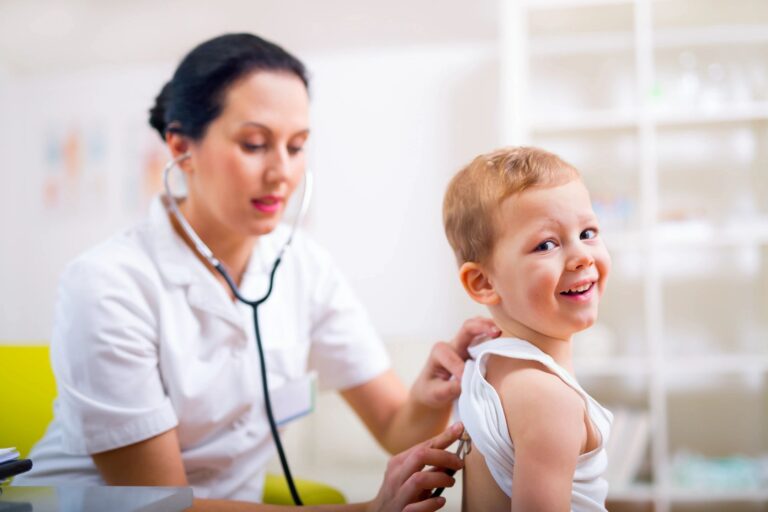
There’s no quick home or office test for mycoplasma. Your pediatrician will usually diagnose it based on your child’s symptoms and a physical exam, including listening to the lungs. A chest X-ray is sometimes needed to check for pneumonia. If testing is done, it’s usually a nose or throat swab sent to a lab. The CDC notes that many doctors don’t test for mild or moderate illness.
How walking pneumonia is treated
Many mild mycoplasma infections get better on their own. When a child has pneumonia caused by mycoplasma, doctors routinely treat it with antibiotics, according to the CDC. The AAP says azithromycin is commonly prescribed, though a different antibiotic is sometimes needed.
Two points parents should know:
- Not every antibiotic works. Mycoplasma has no cell wall, so common antibiotics such as amoxicillin (a beta-lactam) don’t work against it. The CDC tells doctors to suspect mycoplasma when a child with pneumonia isn’t improving on those medicines. If your child was started on an antibiotic and isn’t getting better, call your pediatrician.
- Some strains resist certain antibiotics, the CDC says, which is another reason to follow up if your child isn’t improving.
Give every dose of the antibiotic exactly as prescribed, even if your child feels better before it’s gone. Children with severe pneumonia sometimes need hospital care for oxygen or IV medicine.
Home care for walking pneumonia
- Encourage fluids. Offer water, milk or other drinks often, especially with fever.
- Let your child rest. Kids with walking pneumonia may want to keep playing, but extra sleep and quiet time help recovery.
- Treat fever or discomfort if needed. Acetaminophen or ibuprofen can help. Follow the package directions or your pediatrician’s advice for your child’s age and weight. Never give aspirin to children or teens, because of the risk of Reye syndrome.
- Ask before using cough medicine. Check with your pediatrician or pharmacist first. Coughing helps clear mucus from the lungs.
- Watch breathing and color, especially at night and in children with asthma.
How long does walking pneumonia last, and is it contagious?
Symptoms can last several weeks. According to Nemours KidsHealth, most children improve within 1 to 2 weeks of treatment, but a cough can linger for 4 to 6 weeks. That lingering cough on its own isn’t usually a sign that treatment failed, but tell your doctor if it is getting worse.
Mycoplasma spreads through coughs and sneezes. Outbreaks happen where people spend a lot of time close together, such as homes, schools, camps and college dorms. Children are less likely to spread it once they’ve started antibiotics. KidsHealth suggests keeping a child home for a few days, until antibiotics have had time to work and symptoms are improving. Check your school or child care policy as well.
Who is at higher risk of serious illness?
Serious problems are uncommon. The CDC says people at higher risk include those recovering from another respiratory illness, those with lung conditions such as asthma, and those with a weakened immune system. Rare complications include asthma flares, severe pneumonia, brain swelling (encephalitis), a type of anemia, kidney problems and blistering skin and mouth reactions. If your child has asthma, see our guide to bronchiolitis vs. asthma wheezing.
Preventing walking pneumonia
There’s no vaccine for mycoplasma. The best ways to lower the risk are:
- Washing hands often with soap and water
- Coughing and sneezing into a tissue or elbow
- Not sharing cups, utensils or towels
- Keeping sick children home when advised
- Staying up to date on other vaccines, such as flu, COVID-19 and pneumococcal shots, which help prevent other causes of lung infections
Children can get mycoplasma more than once, though the AAP says repeat infections are usually milder.
When to call the doctor
- A fever that doesn’t improve after 5 days
- A cough lasting more than 2 weeks, or one that keeps getting worse
- A cold that lasts longer than 7 to 10 days without improving
- Chest pain when breathing
- New wheezing, or asthma symptoms that are harder to control
- No improvement within a few days of starting antibiotics, or symptoms that get better and then worse again
- Signs of dehydration, such as much less pee, a dry mouth or no tears
- Your child has asthma, another lung condition or a weakened immune system and is getting sicker
For fever thresholds by age, read when to call the pediatrician about a fever.
When to go to the ER or call 911
Get medical care right away if your child:
- Is breathing fast or has trouble breathing
- Has skin pulling in under the ribs or at the neck with each breath (retractions), or is grunting
- Has lips, face or nail beds that look blue, gray or pale
- Is very hard to wake, confused, limp or unresponsive
- Has a seizure
- Develops painful blisters or sores in the mouth, eyes or on the skin
Not sure what to do? Our child symptom checker can help you decide on next steps, but trust your instincts and call 911 for any breathing emergency.
Frequently Asked Questions
What are the first signs of walking pneumonia in a child?
Walking pneumonia in kids usually starts slowly, like a cold, with a sore throat, tiredness, headache and a low fever. The key sign is a cough that gets worse over several days instead of better. Children under 5 may have a runny nose, sneezing, wheezing, vomiting or diarrhea.
Is walking pneumonia contagious?
Yes. Walking pneumonia caused by Mycoplasma pneumoniae spreads through coughs and sneezes, especially among people in close contact at home, school or camp. Children are less likely to spread it once they’ve started antibiotics.
How long does walking pneumonia last in kids?
Most children feel better within 1 to 2 weeks of starting treatment, but the cough can last 4 to 6 weeks. Call your pediatrician if the cough is getting worse or a fever lasts more than 5 days.
Does walking pneumonia need antibiotics?
Many mild mycoplasma infections clear on their own. When it causes pneumonia, doctors usually prescribe an antibiotic, often azithromycin. Common antibiotics like amoxicillin don’t work against mycoplasma, so call your doctor if your child isn’t improving on treatment.
Can my child go to school with walking pneumonia?
Keep your child home for a few days, until antibiotics have had time to work and symptoms are improving. Children with walking pneumonia often feel well enough to go, but resting helps recovery and lowers the chance of spreading it. Check your school’s policy too.
Is there a vaccine for walking pneumonia?
No. There is no vaccine for Mycoplasma pneumoniae. Handwashing, covering coughs and sneezes, and not sharing cups or utensils are the best protection. Staying current on flu, COVID-19 and pneumococcal vaccines helps prevent other lung infections.
Can a child get walking pneumonia more than once?
Yes. Having mycoplasma once doesn’t give lasting protection, so children can be infected again. Repeat infections are usually milder, according to the American Academy of Pediatrics.
Related guides
- Whooping Cough in Babies and Kids: Symptoms, Treatment and Vaccines
- RSV in Babies: Symptoms, Home Care and Immunization Options
- Croup in Kids: Barking Cough at Night
- Sick Child Guide: When to Call the Doctor
Sources
- CDC: About Mycoplasma pneumoniae Infection
- CDC: Clinical Overview of Mycoplasma pneumoniae Infection
- AAP (HealthyChildren.org): Mycoplasma Pneumoniae Infection & Walking Pneumonia
- MedlinePlus (NIH): Mycoplasma Pneumonia
- Nemours KidsHealth: Walking Pneumonia
This article is for general information and is not a substitute for advice from your child’s doctor. If your child seems seriously ill or is struggling to breathe, call 911 or go to the nearest emergency department.