


Thanksgiving Food Safety for Toddlers: Choking Hazards and Safe Holiday Eating
Quick answer: Thanksgiving food safety for toddlers comes down to two things: preventing choking and preventing food poisoning. Many holiday favorites, including whole grapes, nuts, popcorn, hard candy, marshmallows, cheese cubes, sausage and raw veggie sticks, are choking hazards for children under 4. Cut food into pieces no bigger than half an inch, keep your toddler seated and watched while eating, and keep the riskiest foods out of reach. On the food-poisoning side, cook turkey and stuffing to 165°F, skip raw dough and homemade eggnog made with raw eggs, never give honey to babies under 1, and refrigerate leftovers within 2 hours.
Why holidays are higher-risk for toddlers
Holiday tables are full of bite-size snacks set out at toddler height, adults are busy and distracted, and older cousins are happy to share. Young children are still learning to chew and swallow, so a piece of food that’s easy for an adult can block a toddler’s airway. The American Academy of Pediatrics (AAP) notes that many choking incidents happen when an older child hands food or a small object to a younger one.
Infants and young children are also among the groups most likely to get seriously sick from foodborne illness, according to the FDA. That makes careful cooking and leftover handling especially important when little ones are at the table.
Thanksgiving choking hazards for toddlers
The AAP recommends keeping high-risk foods away from children until about age 4 or older, depending on how well your child chews. The CDC also notes that choking risk doesn’t end once a child is feeding themselves. Here are the holiday foods to watch for, based on AAP and CDC lists:
- Appetizer and snack boards: whole grapes, cherry or grape tomatoes, nuts and seeds, popcorn, pretzels and chips, chunks of cheese or string cheese, meat sticks and sausage, crackers with seeds or nut pieces
- Veggie and fruit trays: raw carrot sticks, raw apple pieces, melon balls, and dried fruit such as raisins
- Side dishes: whole corn kernels, whole beans, and stuffing made with sausage or nuts
- Main course: large or tough chunks of turkey or ham, and any pieces with bones
- Desserts and sweets: hard candy, caramels, gummies, jelly beans, chewing gum, marshmallows (including on sweet potato casserole), and spoonfuls or thick chunks of nut butter
Choking hazards aren’t only food. Balloons remain a risk for children up to age 8, and our holiday toy safety guide covers small parts, button batteries and magnets that often show up at family gatherings.
How to make holiday foods safer for toddlers
- Cut it small. The AAP advises cutting food for young children into pieces no larger than one-half inch. Chop round, firm foods like grapes and hot dogs completely into tiny pieces rather than slicing them into coins.
- Soften and mash. Cook vegetables until soft, mash sweet potatoes and squash, and shred turkey into small, tender pieces with bones and tough skin removed.
- Spread, don’t scoop. Spread nut butters thinly on bread or crackers instead of offering spoonfuls.
- Make a toddler plate. Fix your child’s plate yourself before the buffet opens, and move bowls of nuts, candy and popcorn to the back of the counter.
- Keep them seated and watched. Toddlers should sit upright in a high chair or at the table, never eating while walking, running, playing, lying down, or riding in a car seat or stroller. Assign one adult to watch each young child during the meal.
- Talk to older kids. Ask cousins and siblings not to share snacks, candy or small toys with babies and toddlers.
If your baby is just starting solids, our guide to baby-led weaning and gagging vs. choking explains which textures and shapes are safest.
Turkey and food safety basics
Following a few USDA and FDA steps protects the whole family, and especially the youngest guests:


- Thaw safely. Thaw turkey in the refrigerator (allow about 24 hours for every 4 to 5 pounds) or in cold water that you change every 30 minutes, never on the counter.
- Cook to 165°F. Check with a food thermometer in the innermost part of the thigh and wing and the thickest part of the breast. A pop-up timer alone isn’t enough.
- Bake stuffing separately. The USDA recommends cooking stuffing in its own dish. Stuffing must also reach 165°F.
- Keep raw and ready-to-eat foods apart. Keep raw turkey and its juices away from salads, fruit and other foods that won’t be cooked, and wash hands, cutting boards and utensils with soap and water after touching raw poultry.
- Wash hands for 20 seconds before and after handling food.
Holiday foods to skip for babies and toddlers
The CDC lists several foods as riskier for children under 5 because of germs, not choking:
- Raw cookie dough, cake batter and pie filling made with raw eggs or uncooked flour. Let kids lick the spoon only if the dough is labeled safe to eat raw.
- Homemade eggnog or other foods made with raw or runny eggs. Use pasteurized eggs for recipes that won’t be cooked.
- Unpasteurized apple cider or juice. Choose pasteurized, or bring unpasteurized cider to a rolling boil for at least 1 minute.
- Soft cheeses made from raw (unpasteurized) milk, such as some brie and blue cheeses on a cheese board. Look for “made from pasteurized milk” on the label.
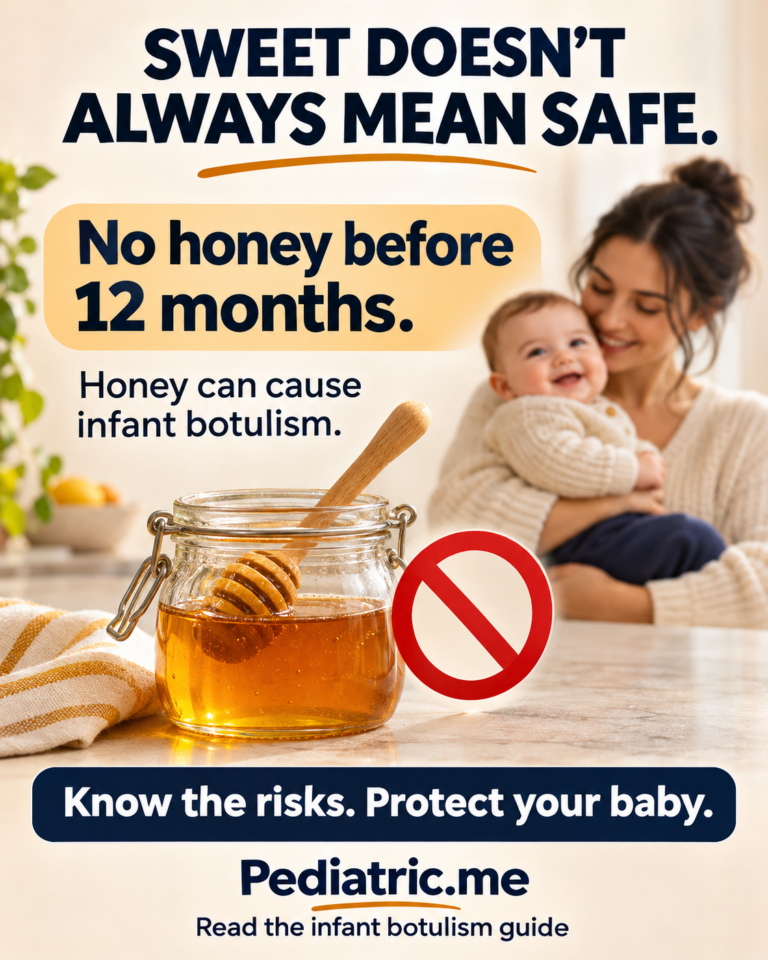
- Honey for babies under 1, including honey-glazed dishes and baked goods made with honey. The CDC warns that honey can contain the bacteria that cause infant botulism.
Leftovers: the 2-hour rule
The USDA says to throw out turkey, stuffing, gravy and other perishable foods left out for more than 2 hours, or more than 1 hour if it’s above 90°F. Refrigerate leftovers promptly, including pumpkin pie, and keep your fridge at 40°F or below. Eat refrigerated leftovers within 3 to 4 days and reheat them to 165°F. Let reheated food cool before serving it to a toddler.
What to do if your toddler is choking
If your child is coughing hard, crying or talking, air is getting through. Let them keep coughing and stay close, ready to act if things get worse. Don’t force their mouth open or reach in to grab the object.
Act right away if your child can’t breathe, cry or speak, has a weak or silent cough, makes high-pitched sounds, or is turning blue. Have someone call 911 while you start first aid.
Note on updated guidance: In October 2025, the American Heart Association and the AAP updated their first aid guidelines. For a child over 1, give repeated cycles of 5 back blows followed by 5 abdominal thrusts. Earlier guidance called for abdominal thrusts only. For an infant under 1, give cycles of 5 back blows and 5 chest thrusts, and never use abdominal thrusts. If your child becomes unresponsive, start CPR. A hands-on infant and child CPR class from the American Red Cross or American Heart Association is the best way to learn these skills before you need them.
When to call the doctor
Call your pediatrician if your child:
- Had a choking episode, even if the object came out and they seem fine, because complications can develop
- Has a cough, wheezing, noisy breathing, drooling or trouble swallowing that continues after a choking or gagging episode
- Develops a fever, ongoing cough, trouble speaking or shortness of breath in the days after a choking episode
- Gets vomiting or diarrhea after a holiday meal, especially if your child is a baby or young toddler, since young children are more likely to get seriously sick from food poisoning
Not sure if a symptom is serious? Our sick child guide can help you decide.
When to go to the ER or call 911
Call 911 right away if your child:
- Cannot breathe, cry, cough or speak
- Has blue or gray lips or skin
- Becomes limp, unresponsive or unconscious
- Has loud, high-pitched breathing or is struggling to breathe after a choking episode
Planning other seasonal outings? Check our winter coats and car seat safety tips before you drive to a holiday gathering.
Frequently Asked Questions
What Thanksgiving foods are choking hazards for toddlers?
Common Thanksgiving choking hazards for toddlers include whole grapes, nuts and seeds, popcorn, hard or gummy candy, marshmallows, chunks of cheese or meat, sausage, raw carrot sticks and apple pieces, whole corn kernels, and spoonfuls of nut butter. The AAP advises keeping these foods away from children until about age 4 or older, or cutting them into very small pieces.
How small should I cut food for a toddler?
The AAP advises cutting food for babies and young children into pieces no larger than one-half inch. Round, firm foods such as grapes and hot dogs should be chopped completely into tiny pieces, not just sliced into coins.
Can my toddler eat turkey at Thanksgiving?
Yes. Serve turkey that has been cooked to 165°F, as checked with a food thermometer, and cut it into small, tender pieces with all bones and tough skin removed. Large or tough chunks of meat and bones are choking hazards for young children.
Is raw cookie dough or pie batter safe for kids?
No. Raw dough and batter can contain raw eggs and uncooked flour, which can carry germs that cause food poisoning. The CDC lists them as riskier foods for children under 5. Let kids taste baked treats only after they are fully cooked, or use dough labeled safe to eat raw.
Can babies have honey in holiday foods?
No. The CDC says not to give honey, or foods made with it, to a child younger than 1 year old because honey can contain the bacteria that cause infant botulism.
How long can Thanksgiving leftovers sit out?
No more than 2 hours, or 1 hour if the room or outdoor temperature is above 90°F, according to the USDA. Refrigerate leftovers promptly, eat them within 3 to 4 days, and reheat them to 165°F.
What should I do if my toddler is choking?
If your child can cough, cry or talk, let them keep coughing and watch closely. If they cannot breathe, cry or speak, have someone call 911 and start first aid. Under 2025 AHA and AAP guidelines, give a child over 1 cycles of 5 back blows and 5 abdominal thrusts, and give an infant cycles of 5 back blows and 5 chest thrusts.
Related guides
- Baby-Led Weaning: First Foods and Gagging vs. Choking
- Holiday Toy Safety Guide
- Halloween Safety Tips for Kids
- Sick Child Guide: When to Call the Doctor
Sources
- AAP: Choking Prevention (HealthyChildren.org)
- AAP: AHA and AAP Update CPR Guidelines (HealthyChildren.org)
- CDC: Choking Hazards for Infants and Toddlers
- CDC: Safer Food Choices for Children Under 5 (PDF) and Preventing Botulism
- USDA FSIS: Let’s Talk Turkey
- FDA: Food Safety Tips for Healthy Holidays
- MedlinePlus: Choking, Adult or Child Over 1 Year
This article is for general information and is not a substitute for advice from your child’s doctor.